Salt in the air
Suffolk is surrounded by water, and salt carried on the wind can corrode metal over time. Panels meant for coastal use are tested for it under a standard called IEC 61701, and the racking and fasteners matter just as much as the panels do.
Worth askingAre these panels salt mist tested, and what are the racking and fasteners made of?
Winter days and snow
Panels actually run well in the cold, but winter brings shorter days and a low sun, so output dips. Snow on a tilted panel usually slides off once the sun warms the glass. Lower output in winter and higher in summer is normal.
Worth askingWhat will this system make across a full year, not just one sunny month?
Storms and wind
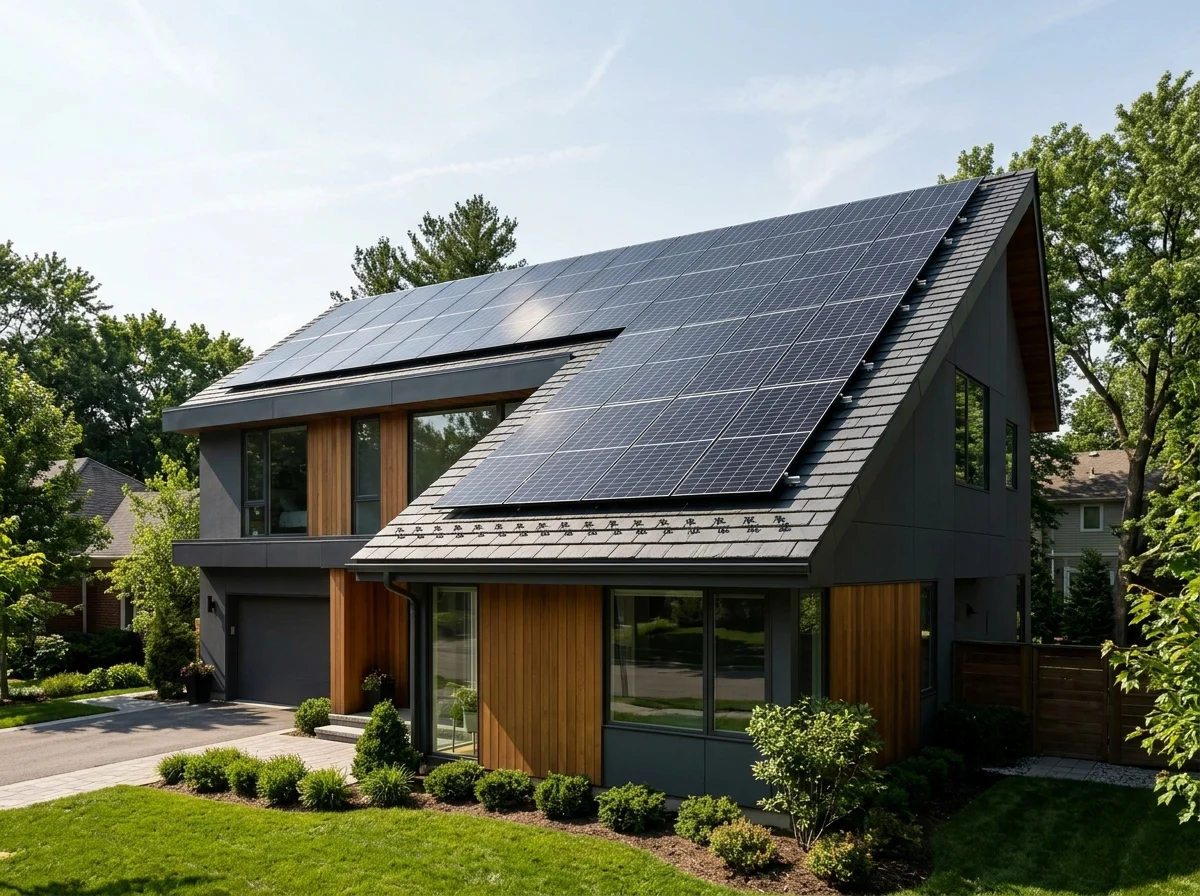
Coastal storms put real load on a roof. New York's building code requires rooftop panels to be mounted so the roof can carry the loads, including wind and snow, and to leave clear pathways for firefighters. That is why a layout may not cover every inch of your roof.
Worth askingHow is the layout fastened to my roof, and where do the firefighter pathways go?
Your town or village issues the permit
Suffolk has ten towns and dozens of villages, and solar permits are handled at that local level. The Long Island Unified Solar Permitting Initiative gave towns a standard, faster permit process for typical home systems, and all ten Suffolk towns adopted it. Which office handles your permit depends on where you live.
Worth askingWho files the permit, and which office issues it for my address?
When the grid goes down
A standard grid-connected system shuts off during a power outage, even on a sunny day, unless it includes a battery backup. If outages worry you, bring up batteries at the start, because they change the design.
Worth askingDoes this design include a battery, or will it shut off when the power does?