With research from the University of California, San Diego showing that solar panels can reduce roof heat by up to 38%, the answer is yes, your rooftop system does more than generate clean electricity. It also works as a protective thermal shield that blocks and absorbs solar radiation before it reaches your roof, helping to lower indoor temperatures and ease the load on your air conditioner.
In this guide, you will learn how solar panels keep your house cooler, how they reduce heat transfer into your home, and why this passive cooling effect can improve comfort while cutting energy costs during extreme summer heat.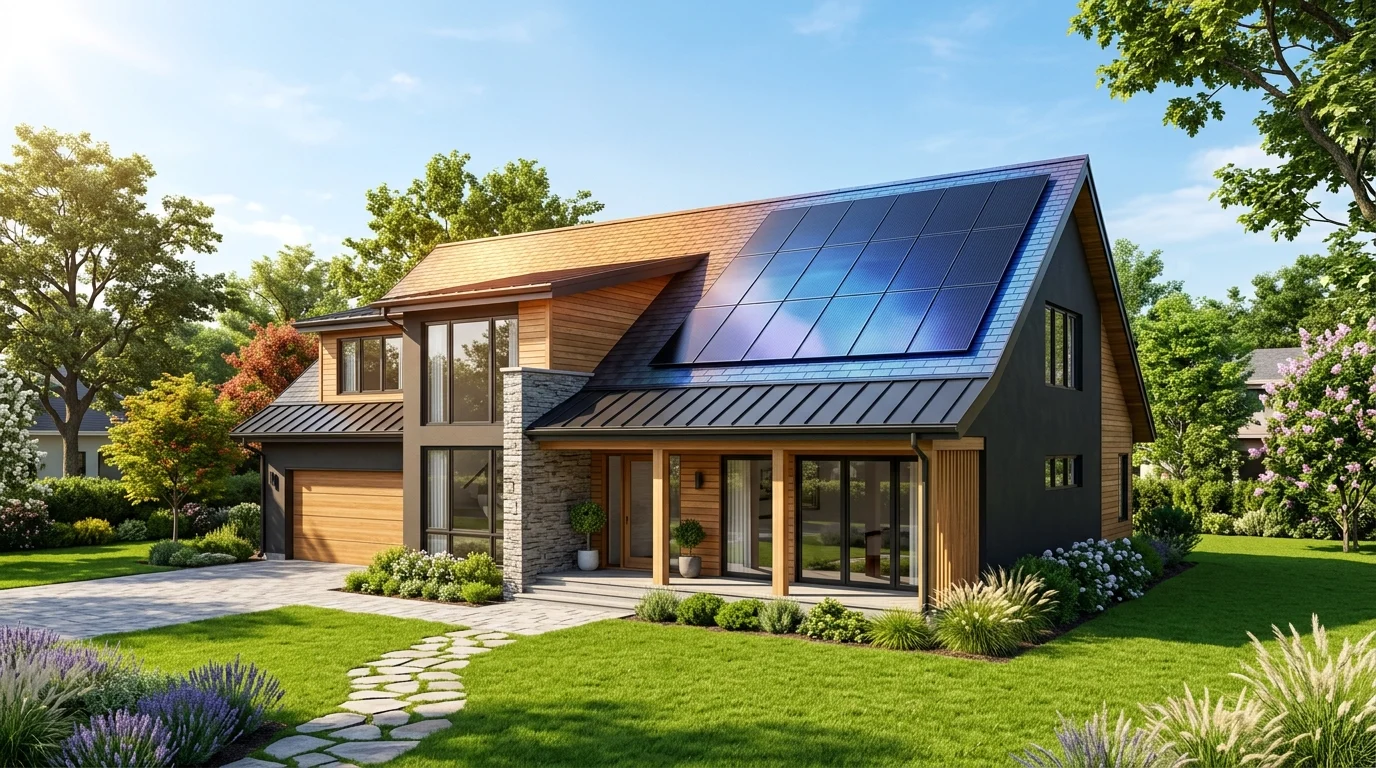
Do Solar Panels Cool Your Home?
Yes, solar panels noticeably cool your home by acting as giant sunshades. They absorb solar radiation that would otherwise heat your roof, reducing the heat entering your home by up to 38%. This passive cooling effect can lower indoor ceiling temperatures by around 5 degrees Fahrenheit, reducing your overall air conditioning costs.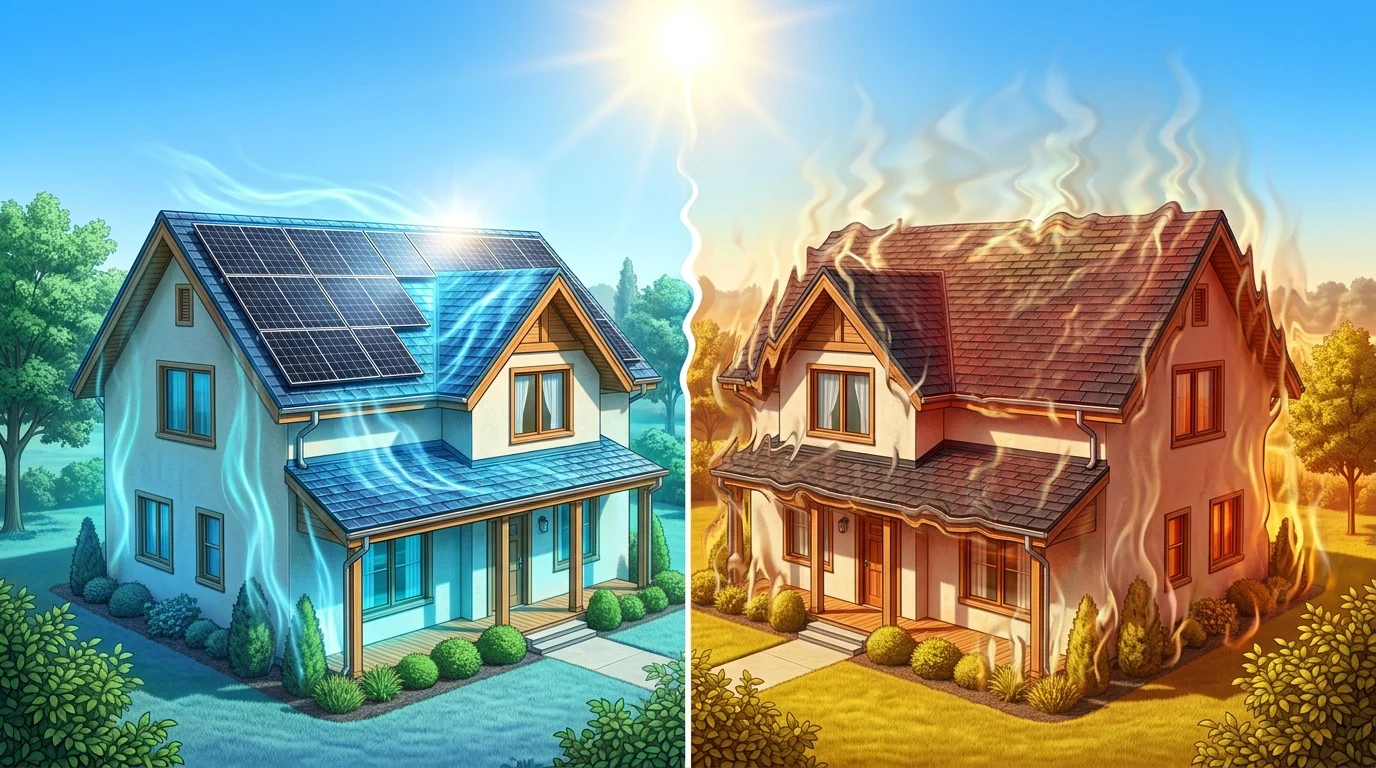
How Solar Panels Affect Roof Temperature
Solar panels affect roof temperature by blocking direct sunlight and preventing the roof surface from absorbing radiant heat. By absorbing the sun’s energy to create electricity, the panels prevent the underlying shingles from overheating, keeping the roof structure significantly cooler during peak daytime hours.
When the sun beats down on an unprotected roof, the surface materials absorb massive amounts of thermal energy. Asphalt shingles, for instance, can easily reach temperatures exceeding 150°C or 160°F on a hot summer day. This extreme heat eventually transfers down through your attic and into your living spaces.
What is Roof Heat Flux?
Roof heat flux is the rate at which heat travels through your roofing materials and enters your home. When solar panels are installed, they intercept solar radiation and dramatically lower this heat transfer rate. Less heat flux means less stress on your home’s insulation.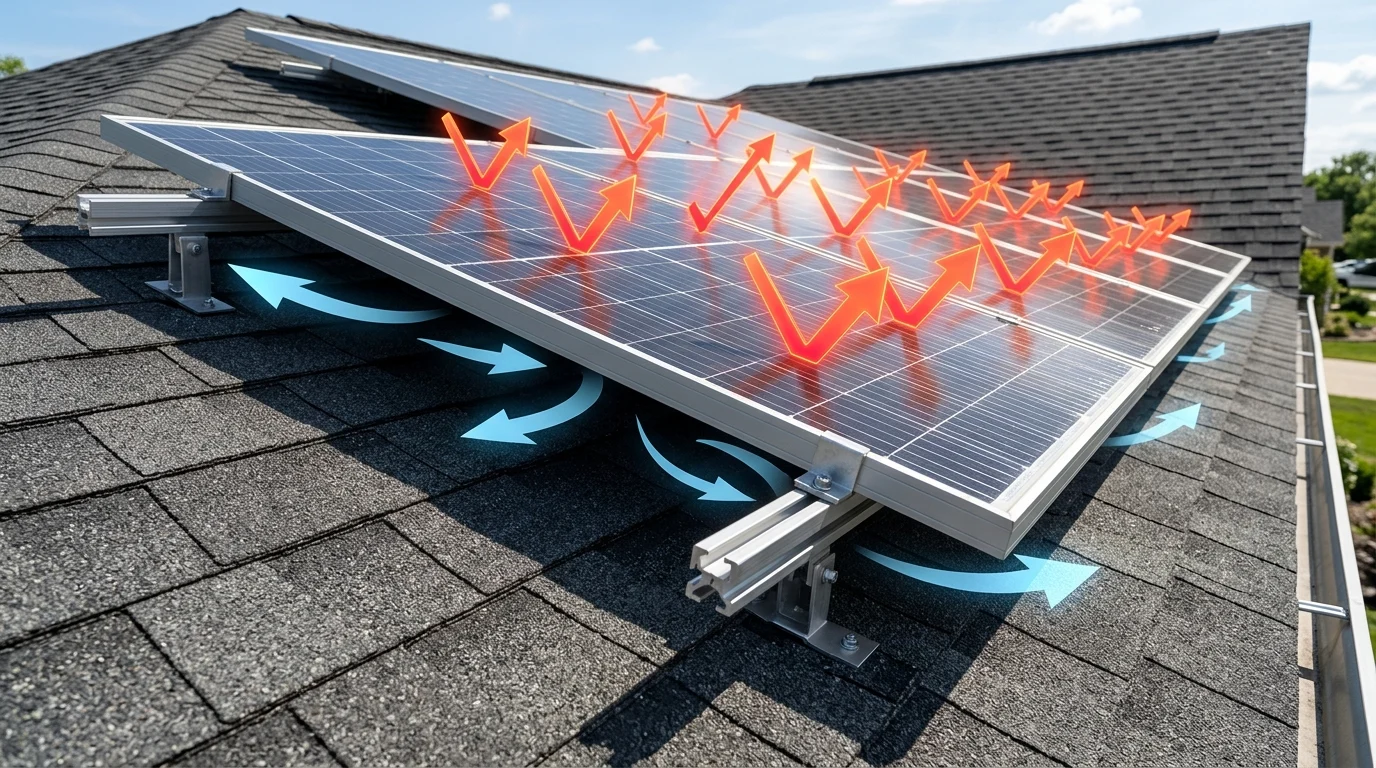
The Science of Thermal Shading
Thermal shading occurs when an object blocks direct sunlight from striking a surface. Solar panels are ideal thermal shades because they are built to endure intense solar energy. They take the thermal beating so your roof does not have to.
Blocking Sunlight and Heat With Solar Panels
Solar panels block sunlight and heat by serving as a durable physical barrier on your roof. The panels capture solar radiation to generate electricity, while the remaining light is reflected away or absorbed by the panel itself, drastically reducing the heat transfer into your home’s attic.
Photovoltaic Absorption vs Reflection: Solar panels are designed to capture light. Photovoltaic modules absorb light particles to create an electric current. This means a significant portion of the sun’s energy is turned into electricity rather than thermal energy on your roof. The rest of the sunlight is either reflected back into the sky or safely dissipated.
Can Solar Panels Reduce Indoor Cooling Costs?
Yes, solar panels reduce indoor cooling costs by lowering the amount of heat entering your home. By keeping your roof cooler, your air conditioning system does not have to work as hard to maintain comfortable temperatures, leading to substantial savings on your monthly electric bills.
The Lifetime Discount Effect: Researchers have calculated that the cooling benefits of solar panels provide a distinct financial advantage. Over the lifespan of a solar energy system, the money saved on air conditioning is equivalent to a 5% discount on the total purchase price of the panels.
How Airflow Beneath Solar Panels Helps With Heat Reduction
Airflow beneath solar panels helps reduce heat by carrying away trapped warmth through convective cooling. The secret weapon of rooftop solar cooling is the gap between the panels and the roof surface. As wind blows through this gap, it sweeps away the heat before it can penetrate the roof.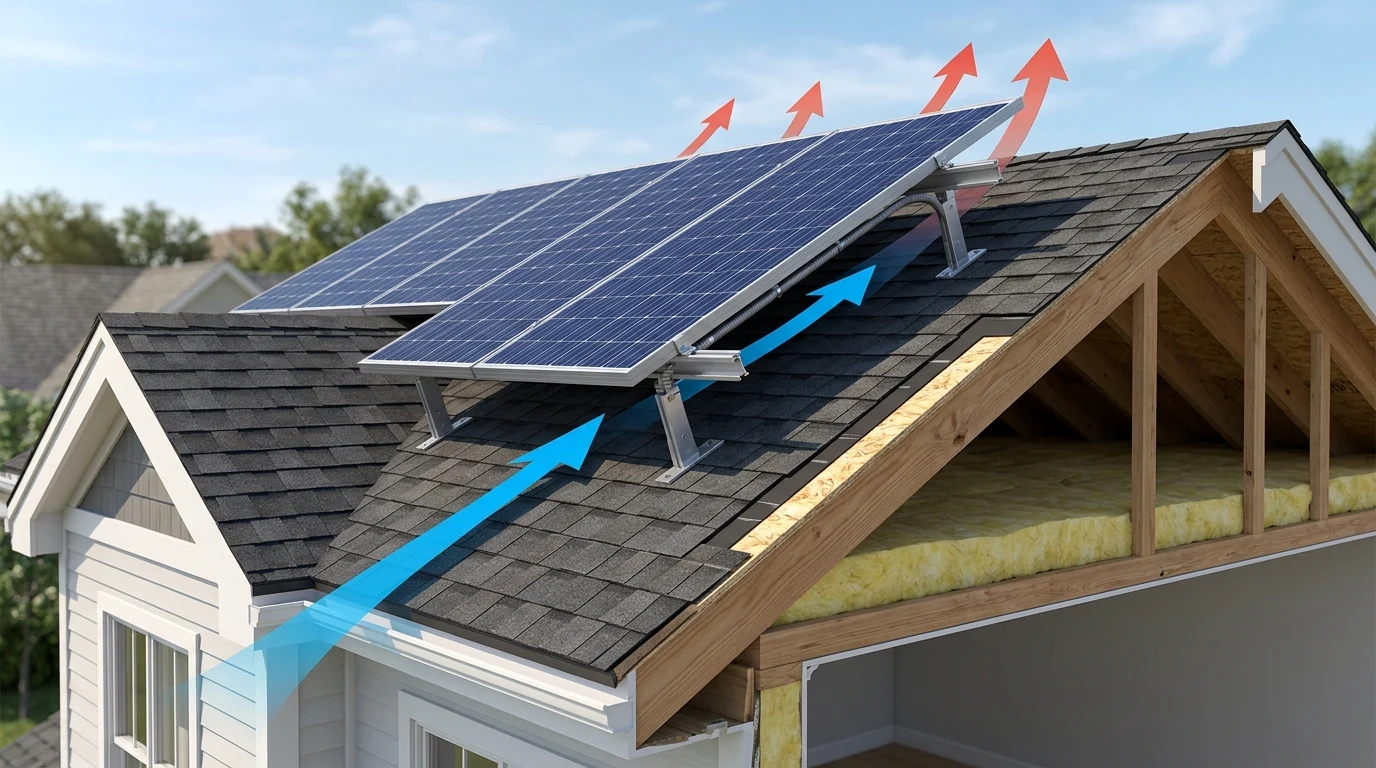
Roof Type and Climate Impact on Cooling Benefits
Roof type and climate significantly impact solar cooling benefits. Dark asphalt roofs in hot, sunny climates experience the greatest temperature drops. Highly reflective roofs or homes located in cooler climates see a less dramatic change in indoor comfort from solar panel shading.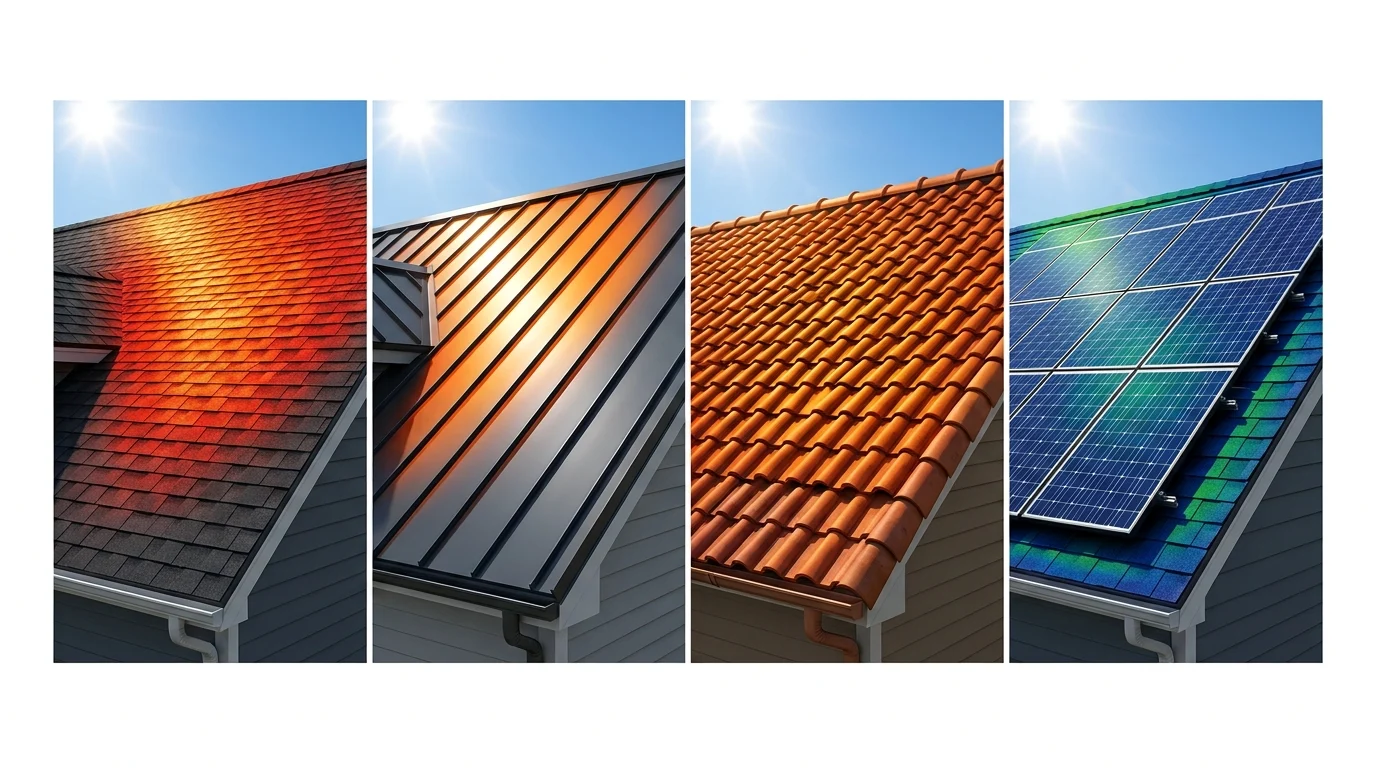
Solar Panels vs Traditional Roof Shade
Homeowners have used various methods to shade their roofs for decades. Solar panels offer distinct structural and financial advantages. Below is a comparison of common roof shading methods.
| Shading Method | Cooling Effectiveness | Electricity Gen | Maintenance | Lifespan |
|---|---|---|---|---|
| Solar Panels | Excellent (38% reduction) | Yes (High) | Very Low | 25+ Years |
| Shade Sails | Moderate | No | High | 3–5 Years |
| Large Trees | Great | No | High | Variable |
Energy Savings From Reduced Air Conditioning Use
Air conditioning is typically the single largest user of electricity in a modern household. On hot afternoons, your cooling system works overtime. Solar panels tackle this problem from two sides: they create the power to run your AC, and they lower the amount of cooling your home actually needs.
Conclusion
Solar panels are more than just a way to lower your electricity bill, they act as a passive cooling system that turns your roof into a heat-shield, reducing indoor heat buildup and improving home comfort. If you’re unsure whether your roof is suitable for solar, a professional evaluation is the best next step.
Check Your Solar Potential
Reach out to Solaroof NY today to start moving toward a cooler, more efficient home.