Solar power has quickly become one of the smartest home upgrades across New York, and homeowners are paying closer attention to how their systems perform every day. According to the U.S. Energy Information Administration, solar generation continues to grow rapidly across residential rooftops, which means more families are asking how to tell if their panels are pulling their weight. The truth is, knowing whether your system is working should not feel like solving a puzzle.
Most solar setups give you several ways to check performance, from app dashboards to inverter signals to physical tests. So “how do I know if my solar panel is working” comes down to understanding a few simple checks that anyone can do at home. The sections below walk you through each one in plain language so you can feel confident your system is doing its job.
Signs Your Solar Panels Are Producing Power
Before pulling out tools or apps, you can spot a few clear signals that your panels are generating electricity. These early signs tell you the system is alive and working as expected. A few easy indicators to watch for include:
- The inverter display shows active wattage during daylight hours.
- Your monitoring app logs daily and hourly production.
- The utility meter spins slower or runs backward during sunny periods.
- Indoor electricity usage from the grid drops noticeably during the day.
If you see these patterns, your panels are almost certainly producing energy. Still, this is only the surface level check. Deeper confirmation comes from your monitoring system.
Checking Solar Panel Output Through Your Monitoring System
Almost every modern solar system comes with a monitoring platform, either through a mobile app or a web dashboard. This is the most accurate way to answer “how do I know if my solar panel is working” without climbing on the roof. Your monitoring system shows real time production, daily totals, and historical performance. It also flags drops in output that may need attention.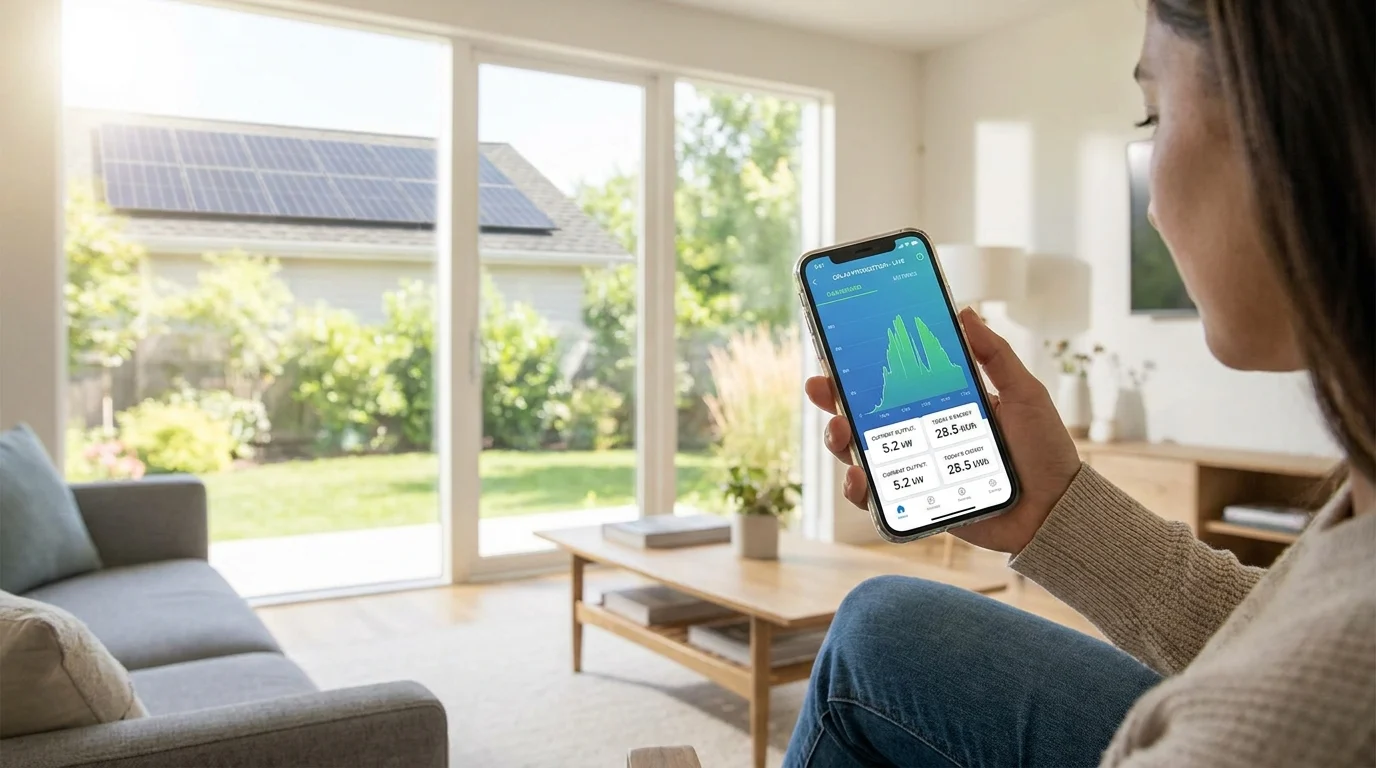
When checking your dashboard, focus on:
- Daily kilowatt hour production compared to similar past days.
- Per panel output, if your system supports module level monitoring.
- Alerts or warnings that point to specific issues.
- Weather adjusted performance, which most apps calculate automatically.
Key Insight Professional Verification
While monitoring apps are excellent, they are not a substitute for periodic professional inspections. If you notice a persistent drop in production that cannot be explained by weather, it is time to have a technician verify your electrical components and inverter health.
How to Read Solar Inverter Indicator Lights
Your inverter is the brain of your solar system, and its indicator lights tell you a lot at a glance. Most homeowners overlook this small panel, but it offers fast clues about system health. Here is what the common lights typically mean:
- Green light: The system is running properly and producing power.
- Yellow or orange light: A minor issue or warning that may need monitoring.
- Red light: A fault that usually requires service or troubleshooting.
- No light at all: The inverter may be off, disconnected, or experiencing a power issue.
Always check your inverter manual since color codes vary by brand. If you see a red light or unusual flashing, contact your installer rather than ignoring it.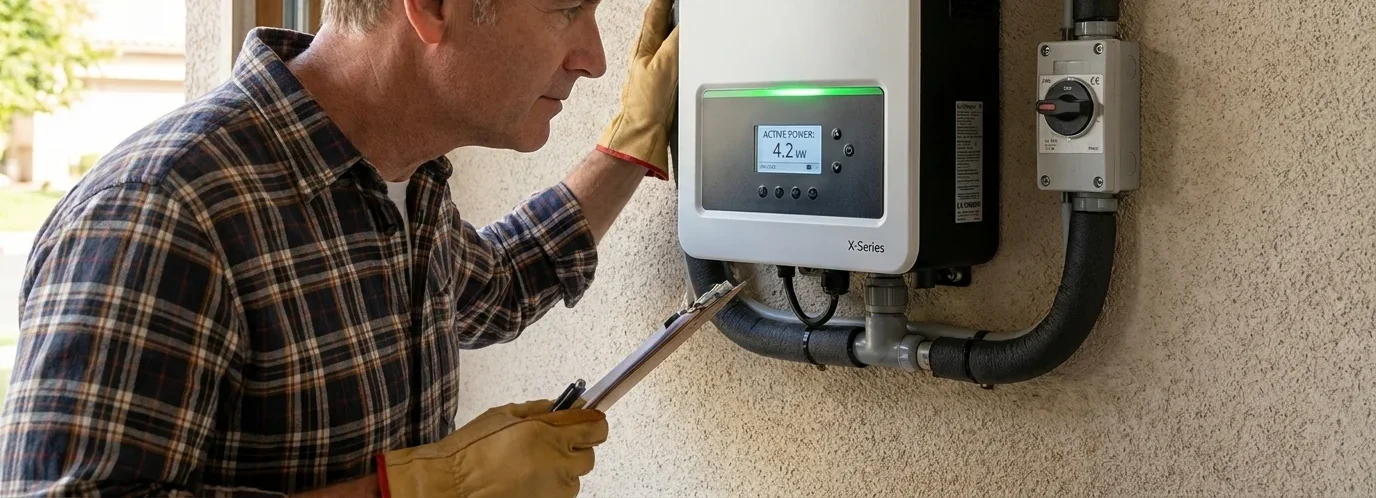
Comparing Energy Production to Your Electricity Bill
Your utility bill is one of the best long term scorecards for your solar investment. A working system should noticeably reduce the energy you pull from the grid each month. Look at your bill from before installation and compare it to recent months. You should see lower kilowatt hour usage, smaller charges, and possibly net metering credits if your state supports them.
Common Reasons Solar Panels Stop Working Properly
Even reliable systems can hit bumps, and most issues come from a short list of usual suspects. Common causes of underperformance include: dust, leaves, or bird droppings blocking sunlight; inverter faults; loose wiring; tripped breakers; or software glitches. Most of these are simple fixes once identified.
How Weather and Shade Affect Solar Panel Performance
Weather plays a bigger role in daily output than many homeowners realize. On overcast days, panels generate electricity at a reduced rate. Snow blocks sunlight completely, while shading from trees can lower output significantly. Give the system a few sunny days before assuming there is a real problem.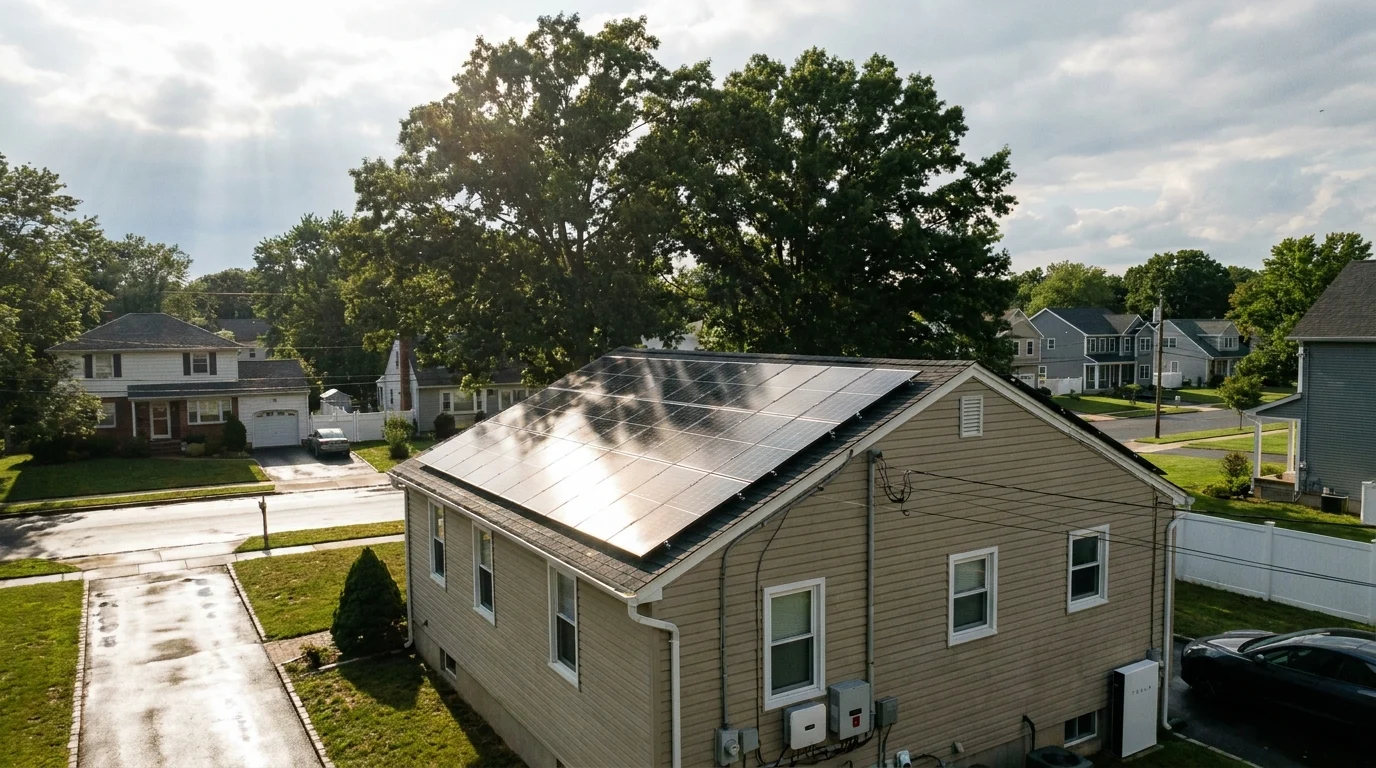
Testing Solar Panel Voltage and Power Output
For a hands on check, you can measure voltage and current at the panel level. This requires a multimeter and safety gear to test open circuit voltage. If you are not comfortable working with electrical equipment, skip this step entirely and call a pro.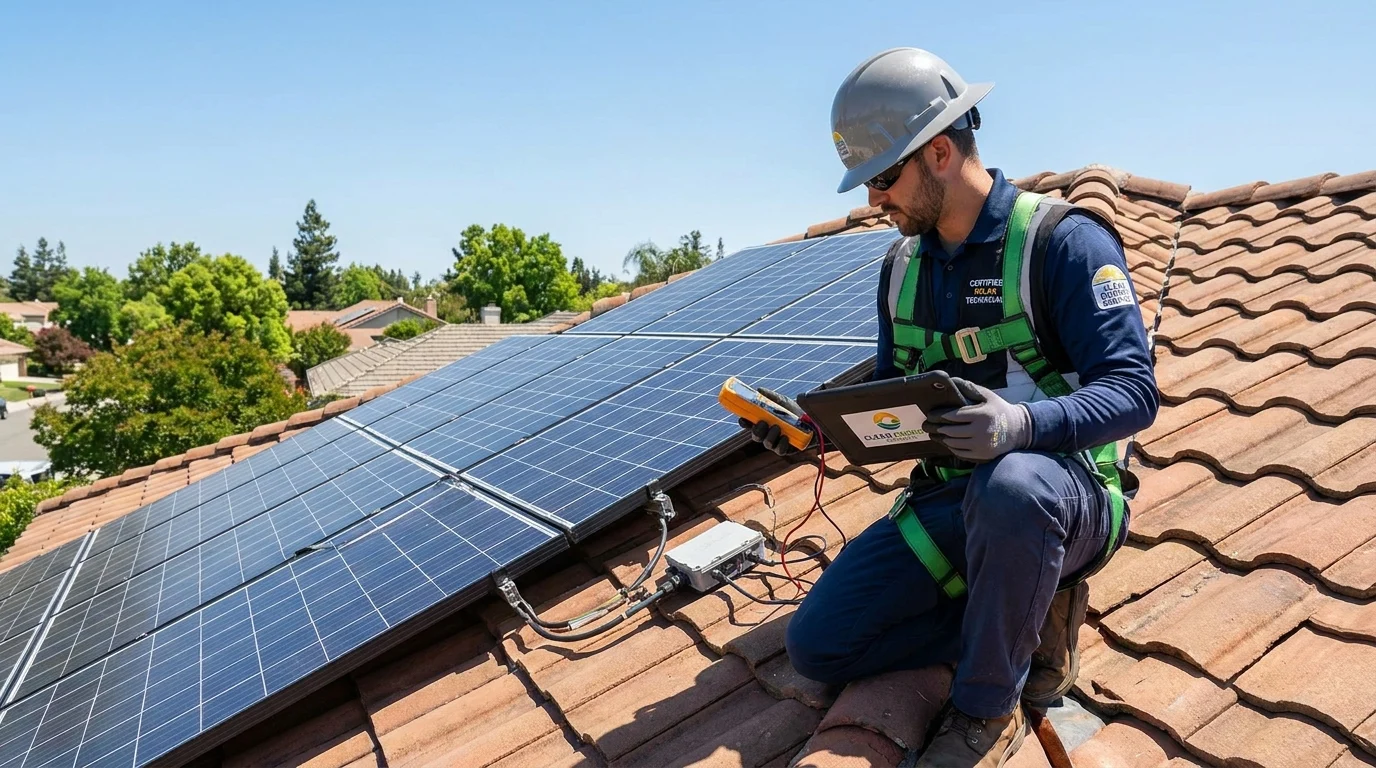
Conclusion
Knowing whether your solar panels are working comes down to a mix of quick visual checks, monitoring data, and occasional professional care. If you are still unsure about how your system is performing, our team at Solaroof NY is here to help. We do hands-on inspections, monitoring setup, and full performance reviews for homeowners across New York who want clear answers about their solar systems.
Need a Performance Review
Our team ensures your panels are delivering the savings you signed up for.