Short answer
It depends on your electric bill, your roof and the price of the system, so no single number fits every home. Solar tends to be worth it when you use a fair amount of electricity, the roof is sound with good sun, and the quote is fair. It tends not to be when the roof is near the end of its life or heavily shaded. Use your own bill, not a national average.
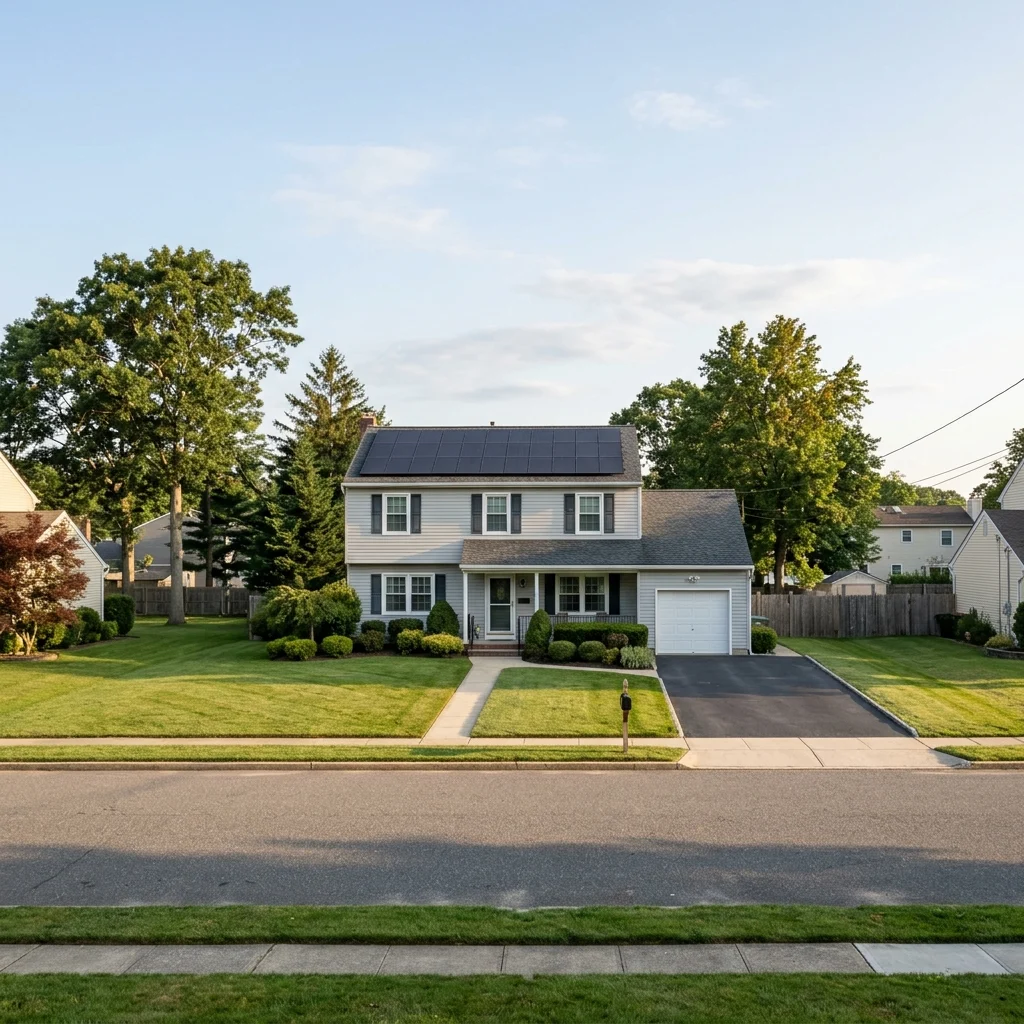
If you are asking how much you can save with solar panels, the honest answer starts with your own electric bill, not a national average. Homeowners often show us quotes that all promise big savings, and the numbers rarely match because each one assumes different usage, rates and roof conditions. This guide covers what really drives savings on Long Island, how to work out your own payback period, which incentives still exist, and when solar is not worth doing yet.
Are solar panels worth it for Long Island homeowners?
Are solar panels worth it? For many homes, yes, but not for every home. Solar tends to be worth it when you use a fair amount of electricity, your roof is sound and gets good sun, and the price you are quoted is reasonable for the system. It tends not to be worth it, at least yet, when the roof is near the end of its life, the shade is heavy, or the savings in the quote rely on incentives that have ended.
Electric rates are part of the equation. The more you pay for each kilowatt-hour, the more each kilowatt-hour your panels produce is worth to you. That is why a quote built on a national average can look very different from the numbers in your own bill.
What decides how much you save with solar?
Your electricity use. Solar only offsets the electricity your panels actually produce, so a home that uses little has less to save. Pull your last twelve months of bills, because summer and winter can look very different.
Your roof and sun. Direction, slope, shade and roof condition all change how much your panels produce. A sound south-facing roof with little shade is the strongest case. Our guide on whether you can install solar panels on your roof explains what we check.
The system and the quote. A bigger system costs more, and offsetting more of your bill is not automatically a better deal. Compare the total price against the estimated yearly production, not just the size of the system.
How your utility credits extra power. PSEG Long Island credits solar customers for excess electricity sent back to the grid, and those credits can help offset future bills. Program rules change, so ask your installer to model your bill under the rules that apply today, not an old example.
How you pay. Cash, a loan, a lease and a power purchase agreement all change what you keep, which we cover below.
How to work out your solar panel payback period
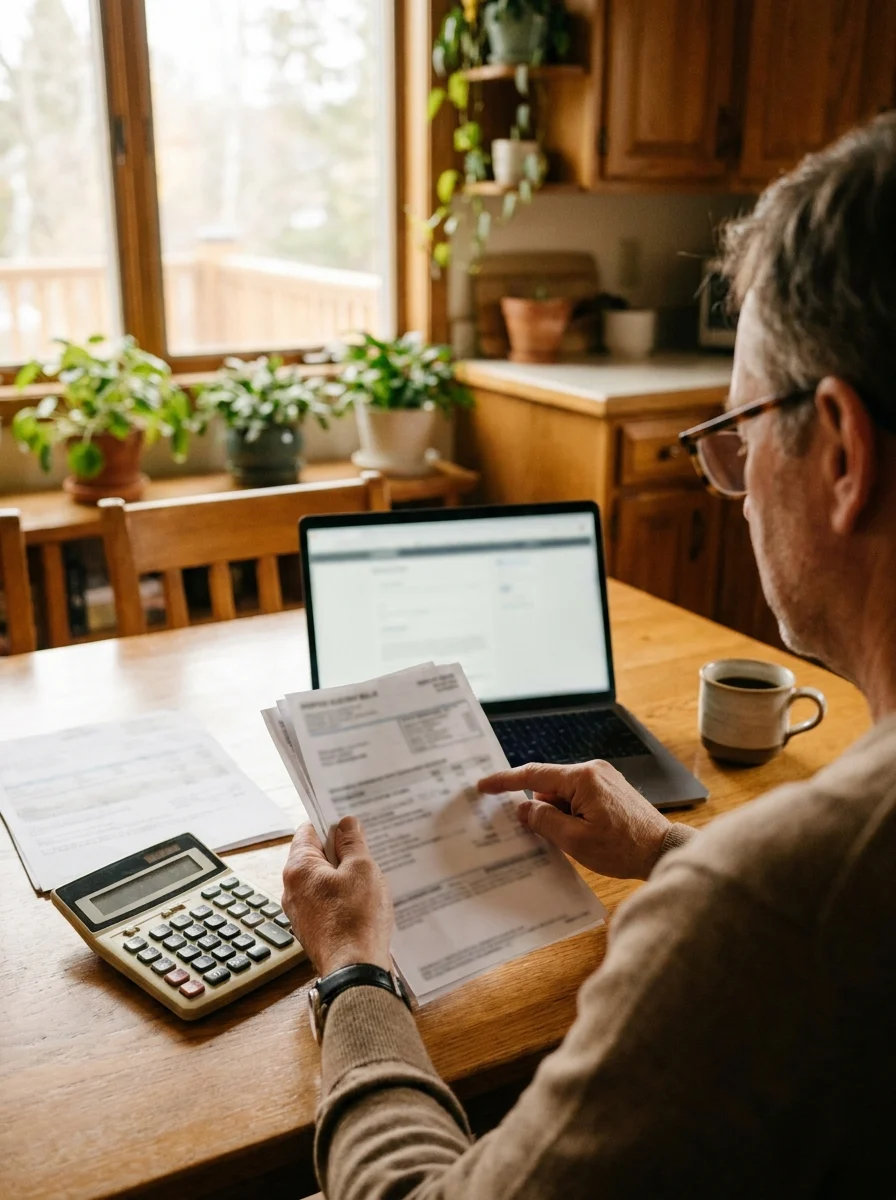
Your payback period is how long it takes for your savings to add up to what the system cost you. You can estimate it in an afternoon. First, collect twelve months of electric bills and note how many kilowatt-hours you use. Second, get a written quote with the total cost, and subtract only the incentives you actually qualify for. Third, estimate yearly production with NREL's free PVWatts calculator using your address, roof direction and slope, or take it from the installer's design and ask to see the assumptions. Fourth, multiply that production by what you pay for each kilowatt-hour the panels will offset, remembering that most bills include fixed charges panels do not remove. Fifth, divide the net cost by the yearly savings.
The answer is a rough guide, not a promise. Rates, usage and utility rules change, and panels slowly lose some output over the years, so treat any payback period as a range and ask your installer to show a cautious case next to the optimistic one.
Which solar incentives still apply?
Start with what has changed. The federal Residential Clean Energy Credit, the 30 percent credit that many older articles still quote, does not apply to expenditures made after December 31, 2025, and the IRS treats an expenditure as made when installation is complete. Be wary of any quote that still subtracts it. New York State has a residential solar equipment tax credit that may apply, and the property tax exemption known as RPTL 487 is claimed by filing with your local assessor, but whether either applies to you depends on your situation and your town. The DSIRE database lists current programs, and a tax professional can confirm what you qualify for. Do not count an incentive in your payback math until you have confirmed it in writing.
Should you pay cash, take a loan or lease?
How you pay changes what you keep. With cash, savings start sooner because there is no financing cost. A solar loan spreads the cost out but adds interest, which reduces the net benefit. A lease or power purchase agreement can mean little or no money up front, but you usually do not own the system, the payments can rise on a set schedule, and the roof still has to be sound for the whole term. Ask for each option in writing and compare the total cost over the full term, not just the first-year bill.
When solar may not be worth it yet
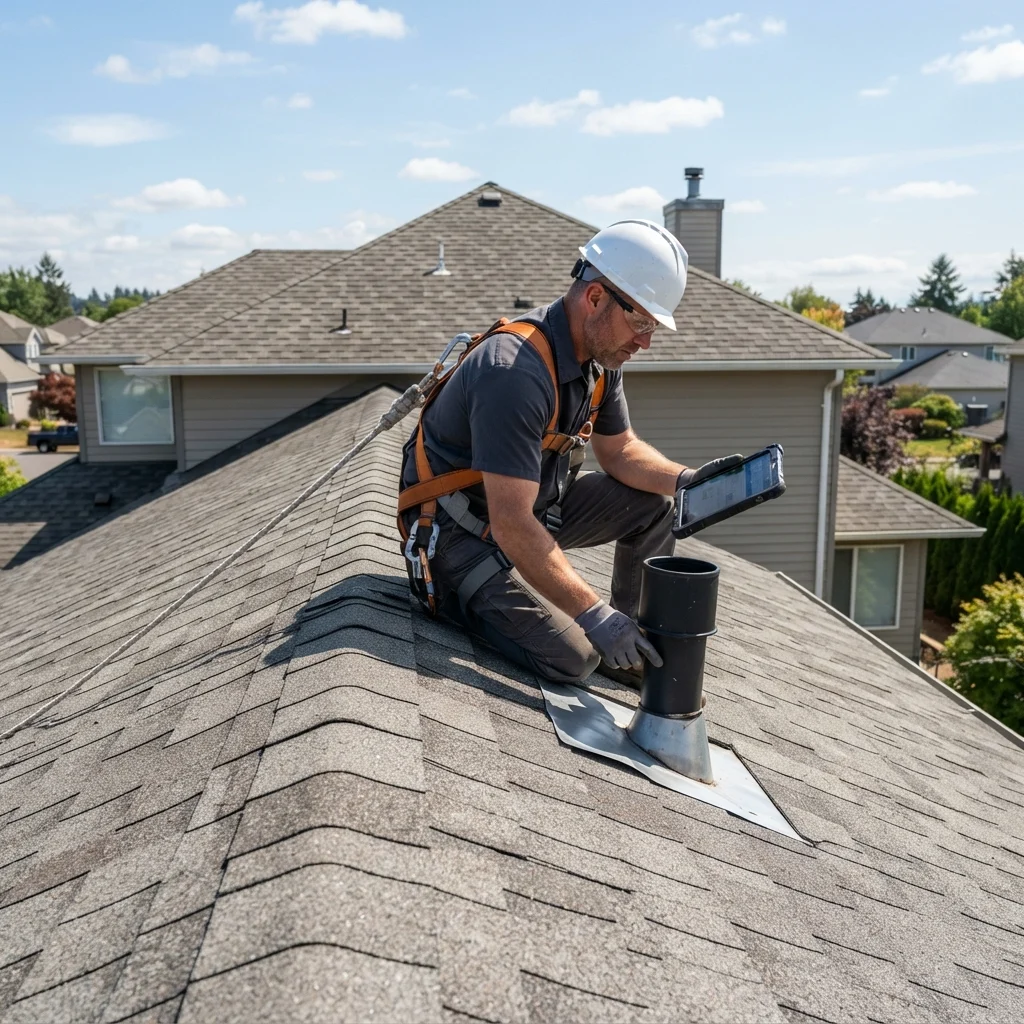
We would rather tell you to wait than sell you a system that does not make sense. The most common reason is the roof. Panels stay up for decades, and when a roof is replaced, the panels and mounting system have to come off so the roofing work can be done, as the Department of Energy notes. That is work you can avoid by roofing first, which is why we start with a roof inspection and, if the roof is close to the end, suggest a roof replacement before solar. If panels are already up and the roof needs work, our solar panel removal and reinstall service covers it.
Other reasons to pause are heavy shade you cannot fix, very low electricity use, plans to move soon, or a quote that cannot show how it estimated production.
What should a good solar quote include?
Ask for the total price in writing, the system size, the estimated yearly production and the assumptions behind it, which incentives are included and whether you qualify, any roof work priced on a separate line, the warranty terms, and who handles the permits and the utility approval. A contractor who answers these clearly is showing you the real math. If you would like that math for your own home, we start with your bill and your roof, and you can see how we handle each stage on our solar panel installation service page.
Want to see the real numbers for your home?
Send us a recent PSEG Long Island bill. We will look at your roof and your usage and tell you whether solar makes sense before we talk about panels.
Bottom line. How much you can save with solar panels comes down to your bill, your roof and a fair price. Do the math with your own numbers, confirm every incentive in writing, and put the roof first.