Solar energy is no longer the exclusive domain of large, site-built homes with perfectly pitched asphalt roofs. Manufactured homes, mobile homes, modular homes, and prefabricated housing of all configurations can access solar power, reduce or eliminate monthly electricity bills, and participate in New York’s expanding network of solar incentives. The path to getting there, however, looks different from a conventional installation, and the differences matter enormously for both the safety of your home and the performance of your system.
According to the U.S. Department of Energy’s Office of Energy Efficiency and Renewable Energy, the feasibility of a rooftop solar installation depends on the condition and structure of the roof, a principle that applies to every housing type but carries specific technical implications for manufactured homes that deserve a clear, honest explanation. This guide provides exactly that: a thorough look at what solar installation on a manufactured home entails, the alternatives when rooftop mounting is not the right choice, and how New York homeowners in this category can access the full range of available incentives without compromise.
Exploring Solar Energy Options for Manufactured and Mobile Homes
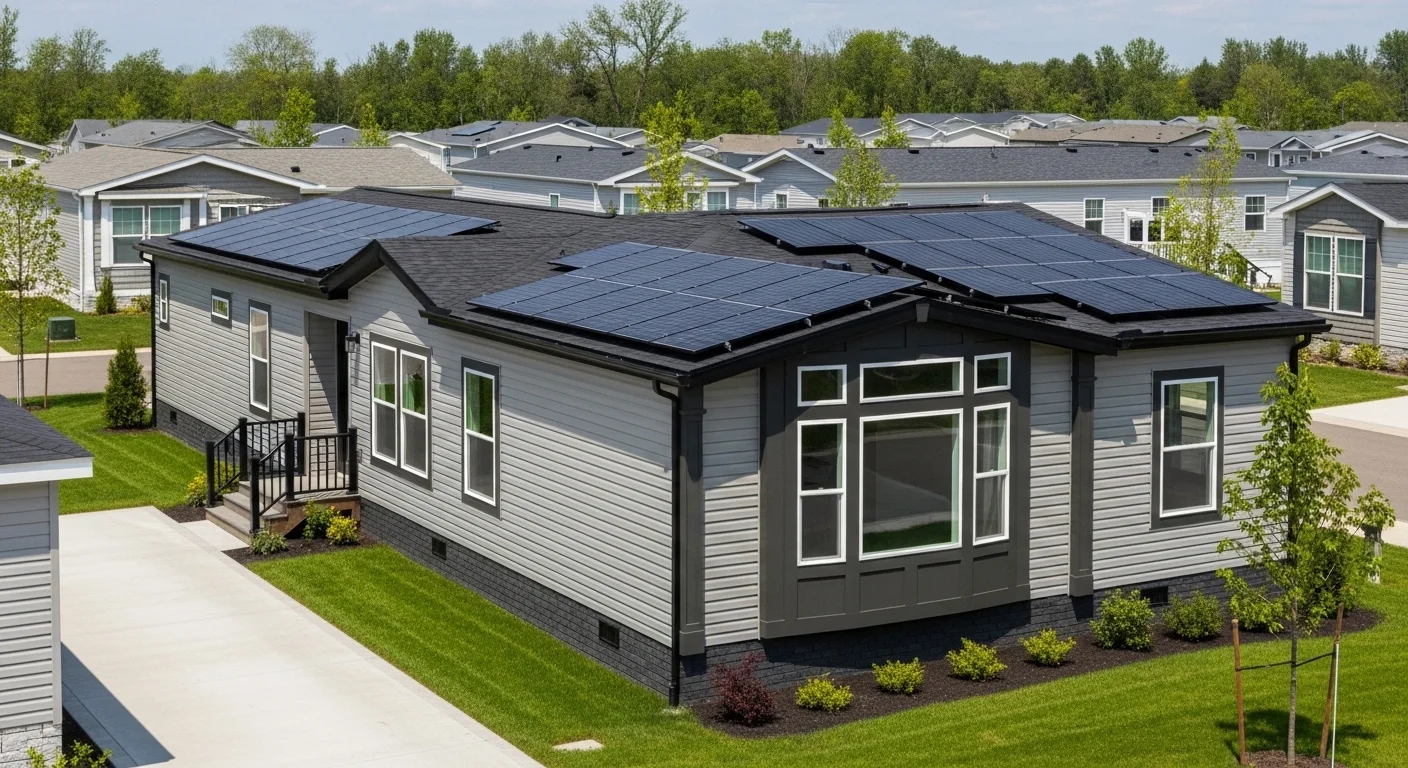
Key Differences Between Traditional and Manufactured Home Solar Setups
Understanding why manufactured home solar installations differ from site-built home installations starts with understanding how the two types of construction differ at the structural level. These differences directly influence every aspect of the solar design process.
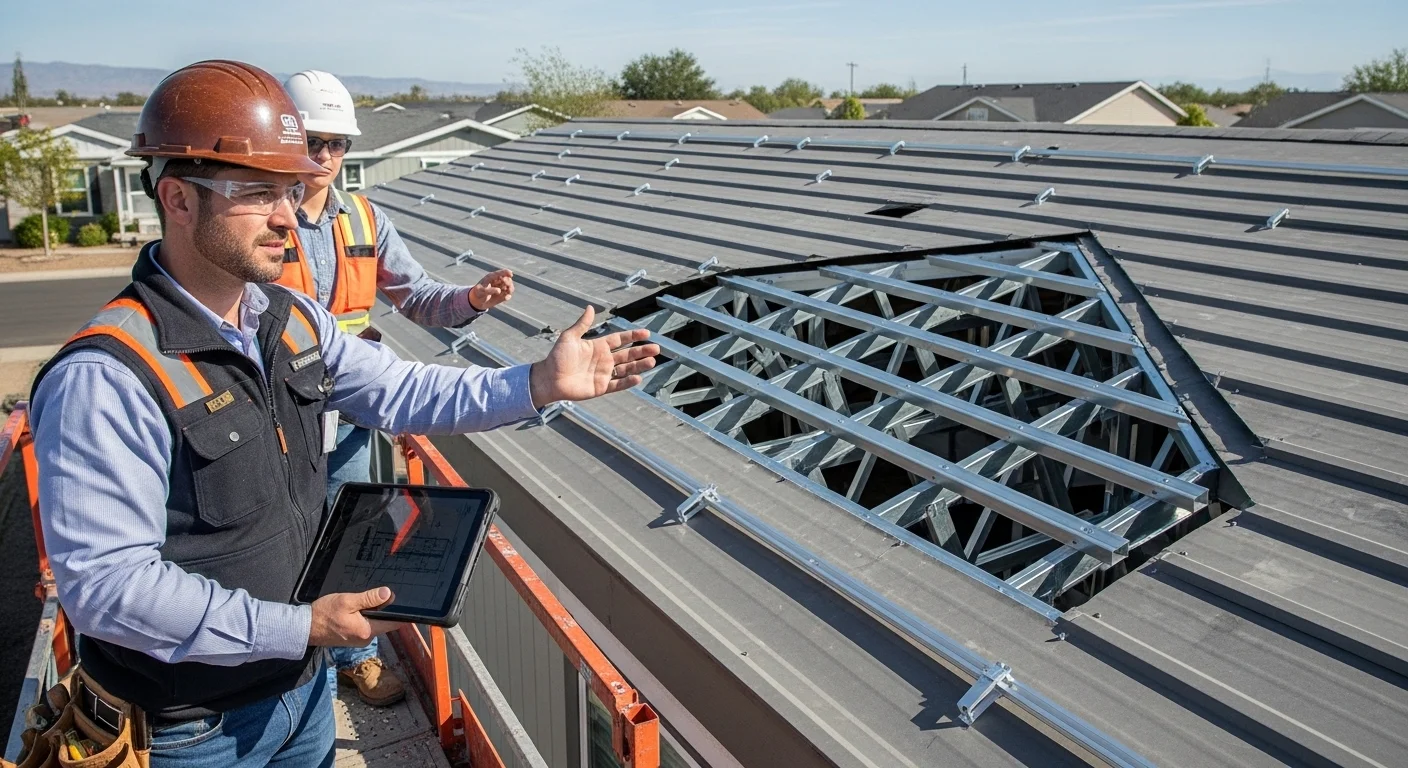
Roof framing and load tolerance
Site-built homes typically use dimensional lumber rafters designed to support both the roofing material and substantial live loads. Manufactured home roofs are generally framed with lighter components: 2×4 or 2×3 members on wider spacing. This means that before any rooftop solar installation, a structural engineer’s assessment of the specific home’s framing is required.
Roof pitch and material
Many manufactured homes feature low-pitch roofs with slopes of 3:12 or less, sometimes with metal roofing rather than asphalt shingles. Low-pitch metal roofs present specific mounting challenges. Installers must use metal-roof-specific mounting systems that clamp to the roof’s standing seams or use penetration methods appropriate to the metal panel type. Improper mounting can lead to leaks, making a professional roof inspection service a vital part of the process.
Structural Requirements for Safe Solar Mounting on Manufactured Home Roofs
If rooftop solar is the chosen path for a manufactured home, the installation process must follow a more deliberate sequence than a standard residential job. Skipping any step in this sequence is not a shortcut, it is a liability for the homeowner.
- Obtain the home’s HUD data plate: Every manufactured home built after 1976 has a HUD data plate listing the home’s wind zone rating and roof load design.
- Commission a structural engineering assessment: A licensed structural engineer must provide a stamped report confirming whether the roof structure can support the proposed solar array.
- Select appropriate mounting hardware: The mounting system must be matched to the roof type. For standing-seam metal roofs, non-penetrating clamp systems are available.
- Install and inspect: After a solar panel installation service, every penetration point must be inspected from inside the home during the first significant rainfall.
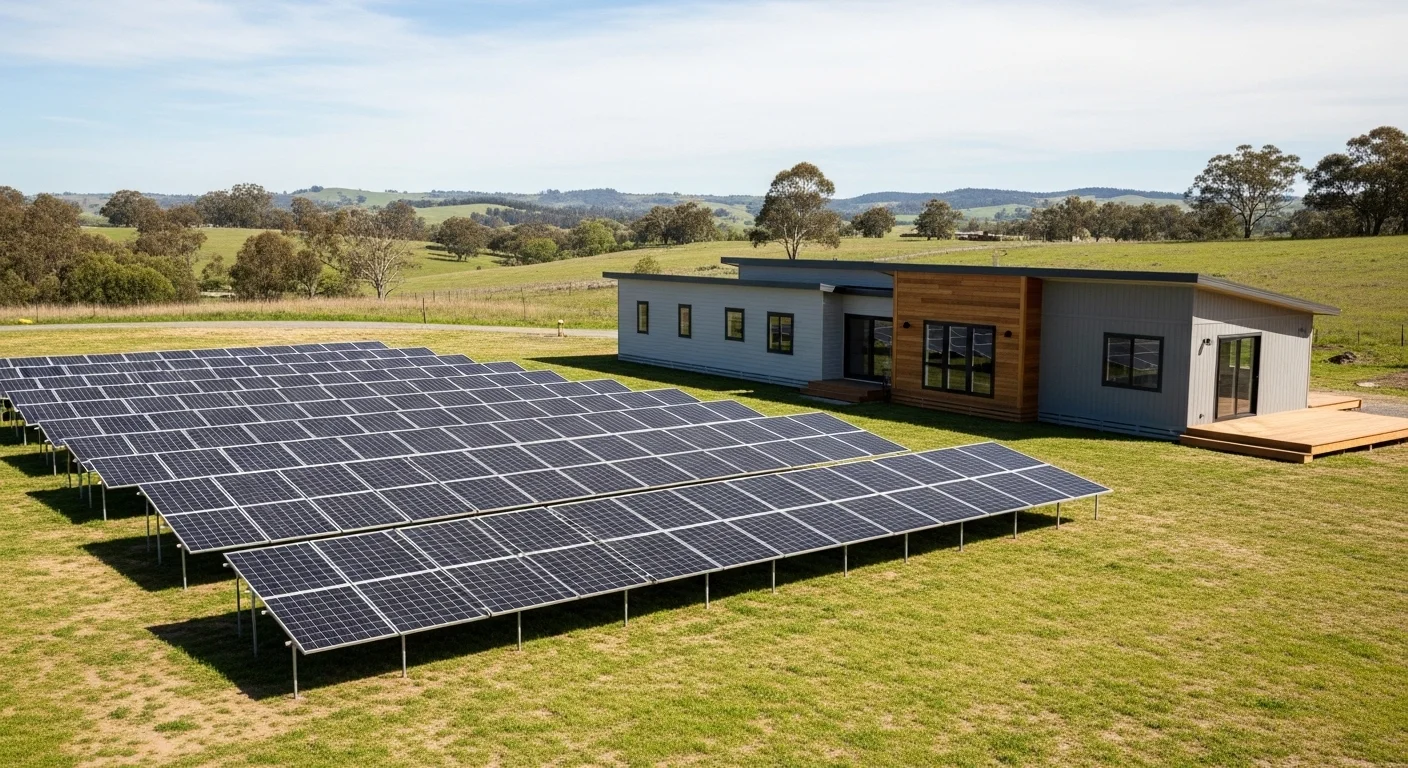
Ground Mounted Solar Arrays as a Powerful Alternative for Prefab Homes
Navigating New York State Solar Incentives for Manufactured Home Owners
The financial case for solar on a manufactured home in New York is genuinely strong. The federal Investment Tax Credit (ITC) currently provides a tax credit equal to 30 per cent of the total cost. New York State offers an additional 25 per cent tax credit on solar installation costs, capped at $5,000 per installation.
Additionally, NYSERDA’s NY-Sun program provides direct incentives, and for those on Long Island, PSEG Long Island’s net metering program allows excess solar production to be credited against future electricity bills. These incentives are also applicable to commercial solar installation projects in the region.
Conclusion
The question of whether solar panels can be installed on a manufactured home has a clear answer: yes, they can. The path to a successful installation is defined by specialist expertise and honest structural assessment. SolarRoofNY exists to make that return accessible to New York’s manufactured homeowners with the same rigour and accountability we bring to every project.
Get Your Custom Solar Assessment
Contact SolarRoofNY for a specialized review of your manufactured or modular home.