The Role of Closure Strips in Metal Roofing Systems
Metal roofing is known for durability, long lifespan, and strong protection against harsh weather. However, many homeowners are surprised to learn that a metal roof system relies on several smaller components to function properly. One of those components is the closure strip.
Closure strips are often overlooked, yet they play an important role in sealing the spaces created by the shape of metal roof panels. Without them, gaps can form between the roof panel and the structure beneath it. These openings can allow water, wind driven rain, debris, and even small animals to enter the roof system. Understanding the purpose of closure strips helps homeowners see why they are frequently recommended during metal roof installation and maintenance.
Understanding What Closure Strips Do in a Metal Roofing System
Metal roof panels are designed with ridges and valleys that help guide water away from the roof surface. While this design improves drainage, it also creates small openings where the panel meets flashing, ridges, or the roof deck. Closure strips are designed to fill those gaps. They follow the exact profile of the metal roofing panel and create a tight seal between the panel and other roofing components.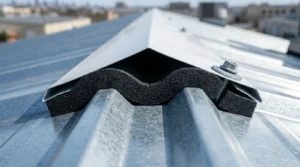
Key Insight: Protecting the Inner Structure
By sealing these spaces, closure strips help protect several important parts of the roofing system. This includes the roof decking, underlayment, flashing, and insulation beneath the metal panels. Without proper sealing, moisture and debris can slowly work their way under the roof panels and compromise the structure over time.
Types of Closure Strips Used for Metal Roofing Panels
Closure strips are manufactured to match the shape of specific metal roof panel profiles. Because metal panels come in different shapes, the closure strips must match those contours precisely. Many closure strips are made from durable foam materials that compress slightly when installed. This allows them to conform to the ridges and valleys of the panel while still creating a weather resistant seal.
| Closure Type | Installation Area | Function |
|---|---|---|
| Inside Closures | Bottom/Eave edges | Blocks moisture and pests from entering the bottom of panels. |
| Outside Closures | Ridge/Peak areas | Seals gaps under the ridge cap while allowing ventilation. |
| Universal/Vented | Various transitions | Provides a seal that still allows for necessary airflow. |
Where Closure Strips Are Installed on Metal Roof Panels
Closure strips are commonly placed in areas where metal roof panels meet other parts of the roofing system. One common location is along the eave of the roof, where the bottom edge of the metal panel sits above the roof structure. Another area is along the ridge line, where two roof slopes meet at the peak.
Closure strips may also be used near flashing components around roof penetrations such as vents, skylights, and chimneys. In these locations they help create a consistent seal that supports the overall waterproofing system.
Importance of Foam Closure Strips for Weather Protection
Foam closure strips are widely used because they provide reliable protection against environmental exposure. The foam material is flexible enough to fill irregular spaces while remaining firm enough to hold its shape over time. Once in place, the strip helps block wind driven rain and prevents air from moving beneath the panels. In climates that experience strong storms or heavy snow, this additional protection becomes especially valuable for protecting the underlayment and decking.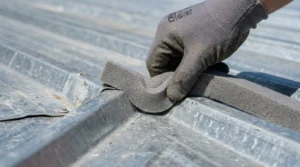
Preventing Water, Debris, and Pest Entry
Small openings beneath metal roof panels can allow leaves, dust, and insects to accumulate. Over time, trapped debris can hold moisture and create conditions that contribute to roof deterioration. In some cases, birds or small animals may attempt to enter these openings for shelter. Closure strips help seal these vulnerable areas so the roof structure stays cleaner and drier.
Are Closure Strips Necessary for Metal Roofing?
In many systems, closure strips are considered an important part of the overall design. Metal panels alone cannot fully seal every gap created by their shape. Roofing professionals often recommend them because they help improve the durability of the roof and reduce the risk of water intrusion around panel edges and flashing areas. They provide an additional layer of protection that supports the roof’s waterproofing system.
When Closure Strips Are Required in Metal Roof Installation
Closure strips are frequently used when metal roof panels meet open areas where the panel profile creates gaps. Corrugated metal panels and other high profile designs create deeper valleys that leave noticeable openings. Building design and local climate conditions also influence this; in regions with strong winds, sealing these gaps helps prevent wind driven moisture from entering the system.
Materials and Design of Metal Roofing Closure Strips
Many strips are made from high density foam that resists moisture absorption while maintaining flexibility. This allows the strip to compress during installation and expand into the ridges of the metal panel. The result is a tight seal that remains stable even as the roof experiences temperature changes. Precision in design ensures the strip fills the ridges and valleys accurately.
Maintaining and Replacing Worn Closure Strips
Like other components, closure strips may experience wear over time due to sunlight and temperature changes. Regular roof inspections help identify areas where strips may have deteriorated or shifted. Addressing these issues early helps prevent moisture from reaching the underlayment or roof decking, preserving the overall performance of the roofing system.
Professional Installation of Metal Roof Closure Strips
Placement is important for roof performance. Professional roofing contractors understand how these components work with flashing, panel seams, and underlayment to keep the roof properly sealed. Working with a professional ensures the strips are correctly aligned with the panel design, making the system built to last for many years.
Ensure Your Roof is Fully Sealed
Don’t let small gaps lead to big moisture problems. Get a professional inspection or installation today.
Conclusion
Closure strips play a valuable role in the performance of a metal roofing system. By sealing the gaps created by metal panel profiles, they help protect the roof from water intrusion, debris accumulation, and pest entry. Although they are small components, closure strips contribute significantly to the durability and weather resistance of a metal roof. When properly selected and installed as part of a complete roofing system, they help ensure the roof performs as intended.