Quick answer: Most roof coatings need a minimum of 24 hours of clear, dry weather before rain, but the real number depends heavily on the coating type. Silicone coatings typically need just 2 to 4 hours before they’re rain-safe, while acrylic and elastomeric coatings usually need 24 hours minimum, and often longer, to fully wash-off resistant.
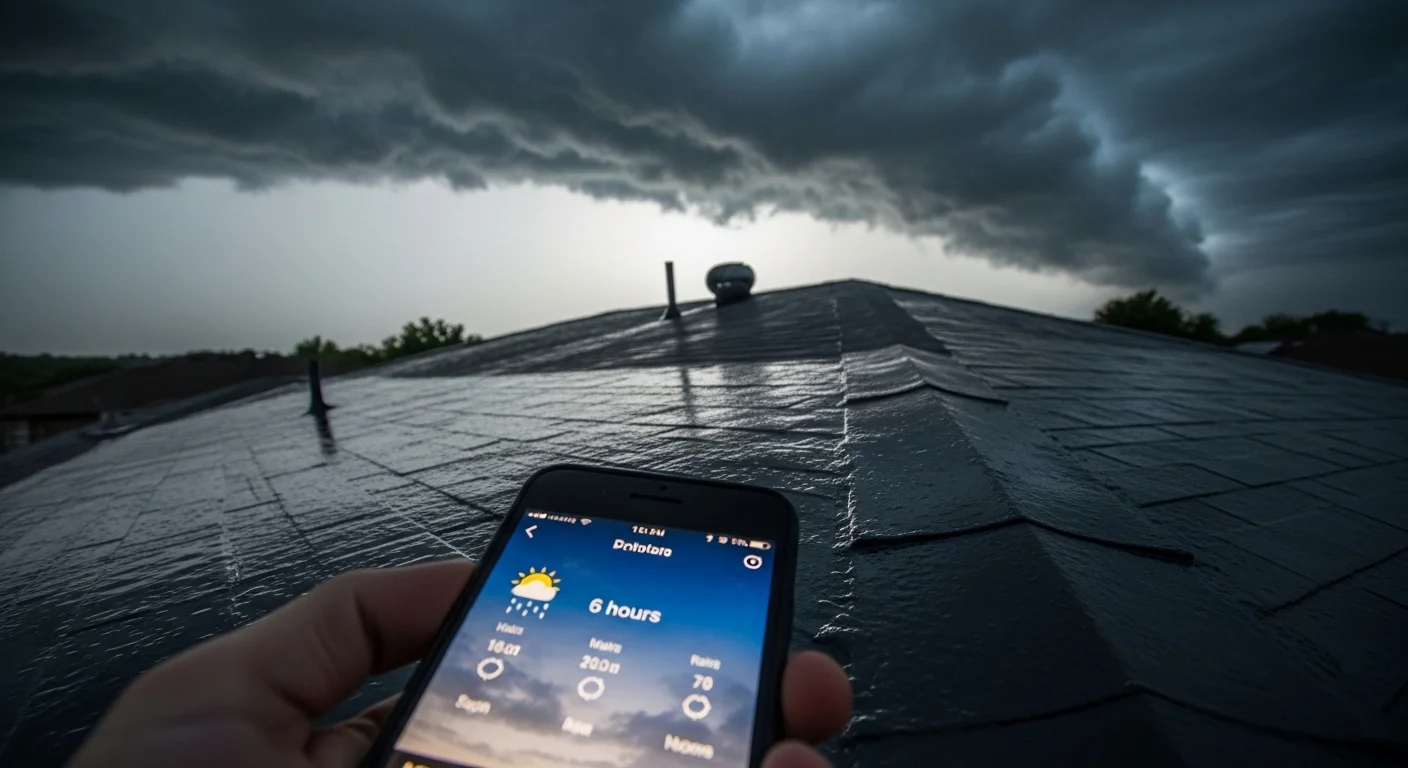
You’ve finally scheduled your roof coating project. The crew is ready, the materials are on-site, and then you check the weather app. Rain in 6 hours. Now what? This is one of the most common and stressful questions homeowners face during a roofing project. Apply the coating and risk it getting ruined, or delay the job and lose time and money?
The answer isn’t one-size-fits-all. Drying time for roof coatings depends on the type of coating, temperature, humidity, and application thickness. In this guide, we break it all down so you can make the right call every time. Before you begin, a professional roof inspection service is essential to ensure the surface is ready for a fluid-applied membrane.
Understanding Roof Coating Drying vs. Curing
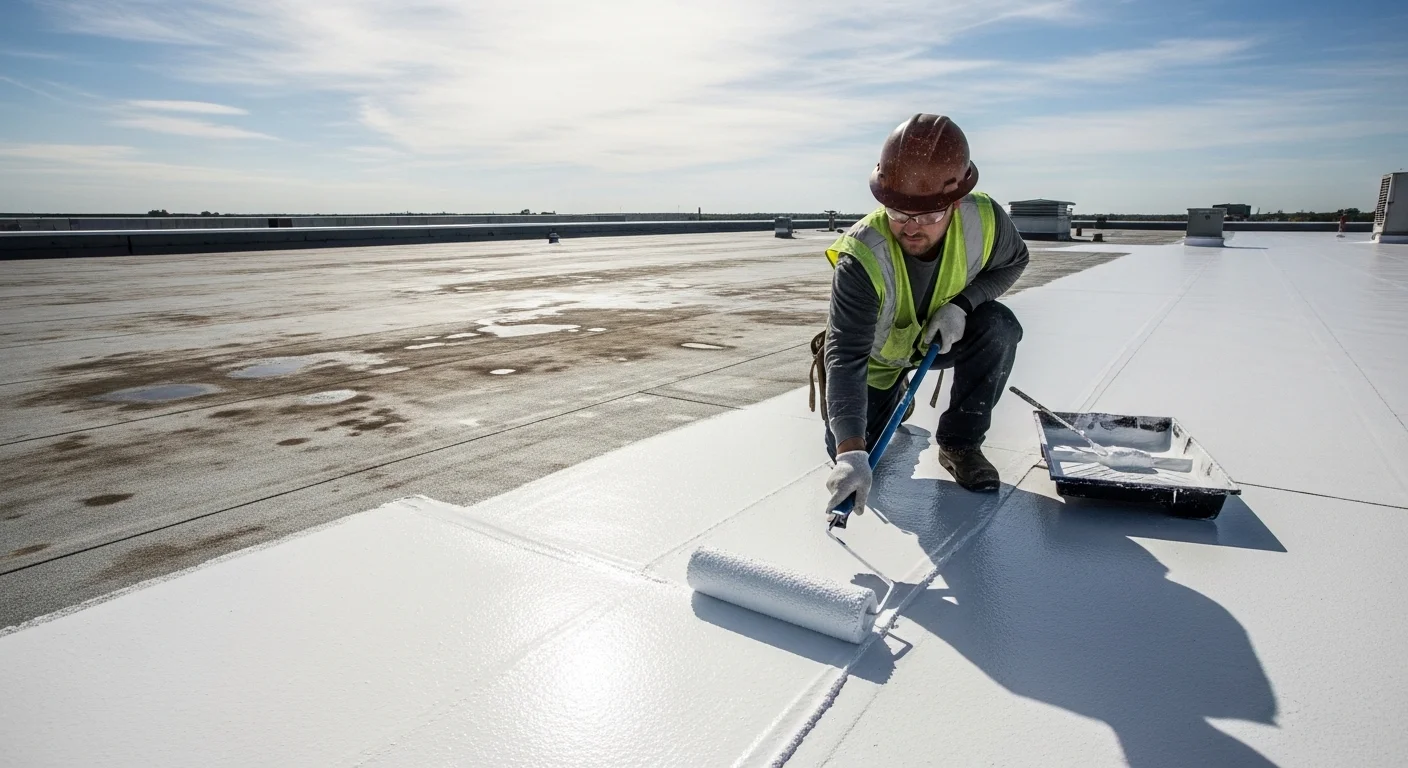
Roof coating is a monolithic, fully adhered, fluid-applied roofing membrane that stretches and returns to its original shape without damage. It’s applied over an existing roof to extend its life, improve energy efficiency, and waterproof the surface. When deciding on the best roofing material for your home, coatings are often the most cost-effective way to restore an aging system.
Drying vs. Curing: What’s the Difference?
| Term | What It Means | Time Frame |
|---|---|---|
| Drying | Surface is touch-dry or walkable; water evaporates from the film | Hours |
| Curing | Full chemical bonding complete; maximum strength and rain resistance reached | Days to weeks |
Silicone and acrylic coatings actually cure through different mechanisms. Silicone is a moisture-cure system, meaning it needs a small amount of ambient humidity to trigger the chemical reaction that hardens it. Acrylic cures mainly through water evaporation and coalescence, which is why it’s more vulnerable to washing off if rain hits before that water has left the film.
How Long Does Roof Coating Need to Dry Before It Rains?
Most manufacturer data sheets are specific on this point. Silicone roof coatings commonly list a minimum window of 2 to 4 hours with no rain, dew, or fog in the forecast, and some fast-cure silicone formulations become rain-resistant in as little as 1 hour under ideal conditions. Acrylic and elastomeric coatings need considerably longer, typically a full 24 hours minimum before rain, since these water-based systems rely on evaporation rather than a fast chemical cure. Polyurethane coatings generally fall in between, with many manufacturers recommending 7 to 12 hours of dry weather before anticipated rain. If you are building a green home, choosing a high-reflectivity coating that matches your local climate and rain patterns is a top priority.
Factors That Affect Drying Time
Understanding variables like temperature, humidity, and thickness will help you plan accurately. Silicone coatings can typically be applied in temperatures as low as 40°F, while most acrylic and elastomeric coatings need a minimum of 50°F to dry and cure properly. Humidity above 85% significantly slows drying for water-based coatings because moisture cannot evaporate efficiently, and it can also cause application issues like poor leveling. Coating thickness matters too: a properly applied coat at the manufacturer’s specified thickness dries more predictably than one applied too thick, which can skin over on top while staying wet underneath. If you ever need to perform maintenance like removing solar panels to recoat a section, these weather windows become even more critical since you’re often working around existing equipment.
What Happens If It Rains Before the Coating Is Ready?
The risk isn’t the same for every coating type. On water-based acrylic and elastomeric systems, rain hitting an uncured film can wash the coating off the roof entirely, leaving bare patches that need to be recoated from scratch. On moisture-cure systems like silicone and polyurethane, the concern is different: water sitting on a partially cured surface can interfere with the chemical reaction, causing surface defects, pinholing, or bubbling as trapped gas tries to escape through the wet film. In either case, the result is the same: reduced reflectivity, weaker bond strength, and in serious cases, a full recoat rather than a simple touch-up.
Can You Apply Roof Coating in Cold Weather?
Application windows shrink significantly once temperatures drop. Most acrylic and elastomeric coatings require a minimum surface temperature of around 50°F to cure correctly, which rules out most winter application on Long Island. Silicone coatings have more flexibility, with some manufacturers allowing application down to 40°F, though cooler temperatures will noticeably slow the cure. For most homeowners, this means the practical roof coating season on Long Island runs from late spring through early fall, when daytime temperatures are consistently warm enough and rain patterns are easier to plan around.
How Long Before You Can Walk on a Roof Coating?
Walkability comes before full cure but after initial drying. Many silicone systems are walkable within 3 to 12 hours, which is also typically when a second coat can be applied. Acrylic and elastomeric coatings generally need 8 to 24 hours before they’re safe for foot traffic, depending on temperature and humidity. A simple field test many professionals use before walking on or recoating: press a thumbnail into the coating. If it leaves a visible mark, it isn’t ready yet.
Does Roof Coating Need Multiple Coats?
Yes, in almost every case. A single coat rarely achieves the dry film thickness needed for proper waterproofing and warranty compliance. Most systems call for two coats, with the second applied perpendicular to the first once it’s dry enough to walk on, typically 3 to 12 hours later for silicone and closer to 24 hours for acrylic. Applying the second coat too early, before the first has properly set, is one of the most common causes of coating failure and reduced lifespan.
Roof Coating vs. Roof Sealant: What’s the Difference?
These terms get used interchangeably, but they aren’t the same thing. A roof coating is applied across the entire roof surface to create one continuous waterproof membrane. A roof sealant is used for targeted spot repairs, sealing seams, flashing, vents, and joints rather than the full roof. Many professional jobs use both: sealant to reinforce vulnerable detail areas first, followed by a full coating over the entire surface for complete protection.
How Long Does Roof Coating Last Once Cured?
Lifespan varies by coating chemistry and product tier. Standard acrylic coatings commonly carry warranties in the 5 to 10 year range, while premium silicone systems are often warrantied for 10 to 20 years, with some high-solids products rated even longer. Actual lifespan depends on application thickness, roof traffic, and how well the coating was maintained, which is why periodic inspection matters even after the coating has fully cured.
Planning Your Project Around Long Island Weather
Don’t just check for rain the day of application. For acrylic and elastomeric coatings especially, you want a clear weather window that comfortably covers the full drying period plus a buffer for unpredictable shifts, since Long Island’s coastal weather can change faster than inland forecasts suggest. We recommend using Weather.gov for the most accurate local data. Avoiding dew point risk and fog is just as important as avoiding heavy rain, since both introduce moisture the coating wasn’t ready for. Late spring through early fall remains the most reliable season for coating projects here, when temperatures stay in the ideal range and sudden humidity swings are less common than in mid-summer.
Solar Roofing and Coating: A Special Consideration
If your home has a solar roof system, coating requires extra care. Many homeowners ask can you put solar panels on a metal roof after it has been coated. The answer is yes, but the coating must be fully cured and compatible with the solar racking system before panels go back on or are worked around. This is an area where published manufacturer guidance is limited, so it’s worth having a contractor who handles both roofing and solar involved from the start. Our team ensures that coating work doesn’t interfere with panel tilt angles or drainage paths, and that any coating applied near existing racking is fully cured before equipment is reinstalled.
Protect Your Roof the Right Way
Don’t risk your investment to sudden rain. Contact Solaroof NY for a professional application.
Conclusion
Roof coating is one of the most cost-effective ways to extend the life of your roof and improve energy efficiency, but only when done correctly. If you’re unsure whether a roof can be repaired instead of replaced, a high-quality coating might be the solution you need. Timing is essential to ensuring the coating delivers its full protective value, so match your application day to your specific coating type’s real drying window, not a generic rule of thumb.