If your metal roof is showing its age fading color, chalky surfaces, surface rust creeping along the seams painting it might seem like an affordable fix. And in some situations, a professionally applied coating can genuinely extend the life of a metal roof. But the question most homeowners and contractors skip over is the most important one: How Long Does Metal Roof Paint actually last, and what does it cost in maintenance, energy performance, and ongoing risk when the paint starts to fail?
The answer depends on a complex mix of variables: the paint system you use, the condition of the underlying metal, how thoroughly the surface was prepared, your local climate, and your roof’s exposure to UV radiation, wind-driven rain, and salt air. For homeowners on Long Island, where salt spray off the Atlantic and Great South Bay accelerates coating degradation, those variables swing heavily toward shorter paint lifespans and higher maintenance costs. Knowing how often should solar panels be cleaned and maintained is similar to managing a roof coating; both require regular attention to perform optimally.
This guide walks through the full picture: how different paint systems perform on metal roofing, why surface preparation is the most critical and most often skipped step, how paint color and reflectivity affect your energy bills, and the specific problems of painting galvanized or rusted metal.
The Reality of Painting Metal Roofing Panels
Metal roofing panels leave the factory with a coating system that is applied in a carefully controlled industrial environment. Whether it is a Kynar 500 (PVDF) fluoropolymer finish, a silicone-modified polyester (SMP), or a high-durability acrylic enamel, these factory coatings are baked on at temperatures that form molecular bonds with the metal substrate, bonds essentially impossible to replicate in the field.
A Kynar 500 factory finish on a premium standing seam panel is warranted by the manufacturer for 30 to 40 years against significant fade and chalk. Field-applied coatings, even the best elastomeric or acrylic roof coatings available today, carry warranties of 10 to 15 years under ideal conditions. In the real world of Long Island’s coastal climate, field-applied coatings commonly begin to show visible degradation in 5 to 8 years. Before committing to a recoat, a professional roof inspection service is vital to ensure the metal isn’t structurally compromised.
Common Metal Roof Paint Systems:
- Acrylic elastomeric coatings: Most widely used. Expected lifespan: 7 to 12 years (5 to 8 years in coastal NY).
- Silicone roof coatings: Superior UV resistance. Expected lifespan: 10 to 15 years.
- Polyurethane coatings: Impact-resistant but UV susceptible. Expected lifespan: 5 to 10 years.
- Alkyd oil-based paints: Poor flexibility. Expected lifespan: 3 to 7 years.
Professional Surface Preparation and Why DIY Often Fails
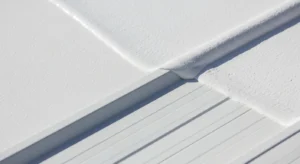
The single most important factor in determining how long metal roof paint lasts is not the paint itself, it is the surface preparation. Adhesion failure accounts for the vast majority of premature paint failures. Professional surface preparation follows a strict sequence: Power washing (min 3,000 psi), Rust remediation, Mechanical abrasion, Solvent wiping, Primer application, and Topcoat application in multiple passes.
DIY roof painting projects almost universally skip or shortcut multiple steps in this sequence, most often the mechanical abrasion, rust remediation, and film thickness verification stages. The result is paint that looks acceptable on application day but begins peeling, blistering, or chalking within 2 to 3 years, leaving you back where you started or worse, with a partially stripped surface that is harder to recoat than the original. If you are worried about damage during this process, it’s worth noting that even tasks like removing solar panels must be done carefully to avoid harming the underlying roof surface.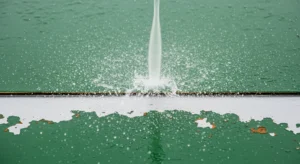
Impact of Reflectivity and Color Choice on Energy Efficiency
One of the most significant decisions you will make when repainting a metal roof is color selection, because color directly determines your roof’s solar reflectance. A roof with high reflectance can reduce roof surface temperatures by 50 to 80 degrees Fahrenheit. For homeowners considering a building green home guide, reflective coatings are a major component. Light colors (white, beige) achieve reflectance values of 0.65-0.90, while dark colors absorb heat, raising attic temperatures significantly.
The Downsides of Painting Galvanized or Rusted Metal
New galvanized metal has an oily surface that resists paint. It should weather naturally for 6-12 months or use an etching primer. Rusted metal is even trickier; painting over active rust without proper remediation is a costly mistake. If the rust has penetrated the panel, you should consider if a roof can be repaired instead of replaced before applying any cosmetic finish.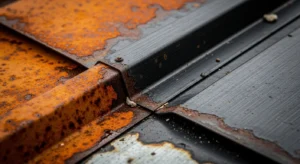
Factory Finish Systems and Solar Integration
Modern standing-seam metal roofing panels manufactured today carry Kynar 500 or equivalent coatings, which are warranted for decades. These systems are also solar-ready. Homeowners often ask, “Can you put solar panels on a metal roof?” The answer is yes, and standing seam profiles allow for non-penetrating clamps that protect the factory paint and the roof’s integrity.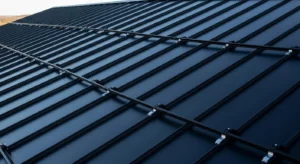
Why a Cosmetic Fix Is Incomplete Without a Professional Efficiency Audit
Painting addresses the visible surface but leaves the underlying energy performance entirely unexamined. Before investing in a coating project, commission a professional home energy audit. A paint job without an efficiency audit is like treating a fever with aspirin; you may feel better temporarily, but the core problem continues to compound. You should also verify your HOA coverage for roof replacement if the audit suggests a full upgrade is needed.
Stop the Repainting Cycle
Upgrade to a lifetime factory-finished metal roof. Contact Solaroof NY today.
Conclusion
How long does metal roof paint last? The most honest answer is: less time and at a greater cumulative cost than a whole-system upgrade. For Long Island homeowners specifically, the combination of coastal climate aggression and New York’s demanding building codes makes a compelling case for a whole-system upgrade. A professionally engineered standing seam metal roof with integrated solar doesn’t just protect your home better; it generates a financial return that makes the upgrade cost-effective.