There is a question that stops more New York homeowners from going solar than almost any other: Will putting panels on my roof cancel my warranty? It is a fair concern. Your roof is one of the most expensive components of your home, and the thought of losing manufacturer protection just to save money on electricity is enough to give anyone pause. The good news is that solar panels do not automatically void your roof warranty. The details, however, matter enormously, and this is where most blogs stop short.
According to the U.S. Department of Energy’s guide on residential solar, the type of installer you hire, the mounting system they use, and the roofing material underneath all influence whether your warranty stays intact once the last panel is fastened. This guide unpacks every layer of that answer from manufacturer fine print to New York-specific insurance considerations and explains exactly why a certified installation is not just a preference but a financial necessity.
Understanding How Solar Installations Interact With Your Roof Warranty
Every roof warranty is actually two separate documents bundled into a single promise. The first is the material warranty issued by the shingle or roofing product manufacturer and covering defects in the product itself. The second is the artistry warranty issued by the roofing contractor who installed the materials, covering installation errors.
When a homeowner calls a roofing company to say, “My roof is leaking,” the cause of the leak determines which warranty applies and whether it is honoured. Solar panels enter the picture at the artistry layer. When a solar installer drills through the roof deck to set mounting hardware, they create penetrations. If those penetrations are not sealed correctly using the right flashing system, the right sealant, and the right technique—water can enter. This makes a professional roof inspection service vital to check the current state before any work begins.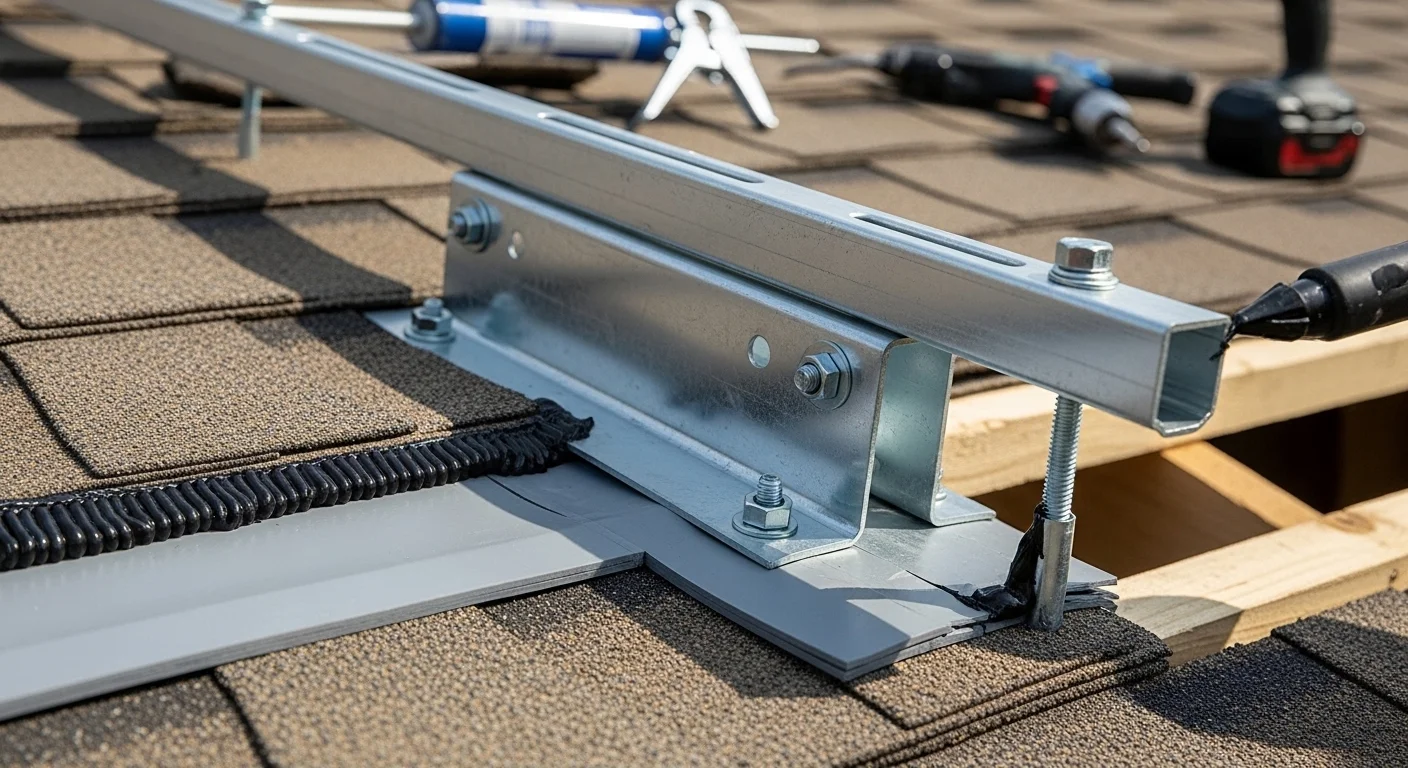
Common Myths About Rooftop Solar and Structural Integrity
The internet has done an efficient job of spreading half-truths about rooftop solar. Before addressing what actually protects your warranty, it is worth clearing the most persistent myths off the table.
Myth 1 Solar panels are too heavy for most roofs
Modern residential solar panels weigh between 40 and 50 pounds each. Distributed across a mounting system with multiple attachment points, the load per square foot is typically between 2 and 4 pounds—well within the structural capacity of nearly every residential roof built in the last five decades.
Myth 2 Any solar installer can legally mount panels anywhere
New York State and most local jurisdictions require permits for rooftop solar installations. Unlicensed or uncertified installers who skip this step are not only voiding your warranty, they are exposing you to liability. Always verify that your installer is licensed in New York State and that they pull the required permits before work begins.
Myth 3 If one shingle gets damaged during installation the whole warranty is gone
This is not how roofing warranties work. If an installer cracks a shingle and replaces it with the same product, the shingle’s warranty period resets from the replacement; the rest of the roof’s coverage remains unaffected.
Myth 4 Solar voids insurance coverage
Solar panels are generally added to homeowners’ insurance as scheduled property. Properly permitted and installed residential solar panels are insurable.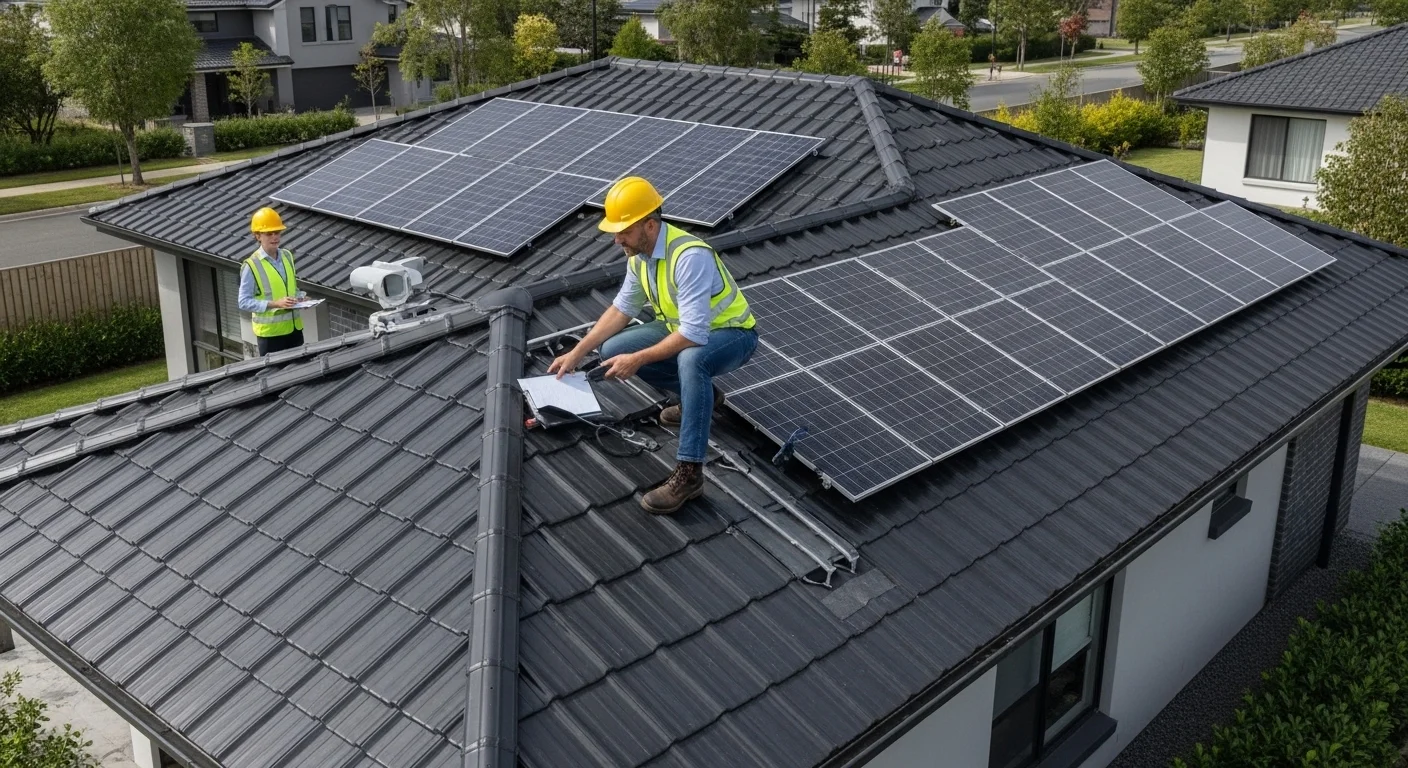
Maintaining Manufacturer Warranties With Certified New York Installers
The clearest path to keeping your roof warranty intact while going solar is to use an installer certified by your roofing material’s manufacturer. This concept is most fully developed by GAF, the largest roofing manufacturer in North America. When a homeowner has a GAF roofing system, GAF-certified installers are authorised to make rooftop modifications—including solar penetrations—without triggering exclusion clauses.
What to ask your solar installer:
- Are you certified by the manufacturer of my roofing material?
- Will you provide documentation of certification before work starts?
- Is your mounting system approved by my roofing manufacturer?
- Will you pull the required New York permits before the installation date?
The Importance of Proper Flashing and Mounting for Leak Prevention
Solar installations require a specific type of flashing called a roof-mount flashing boot or L-foot flashing. Done incorrectly—with the flashing installed backwards or with household caulk instead of roofing sealant—the mounting point becomes a slow leak. A completed solar panel installation service includes a moisture inspection report as standard.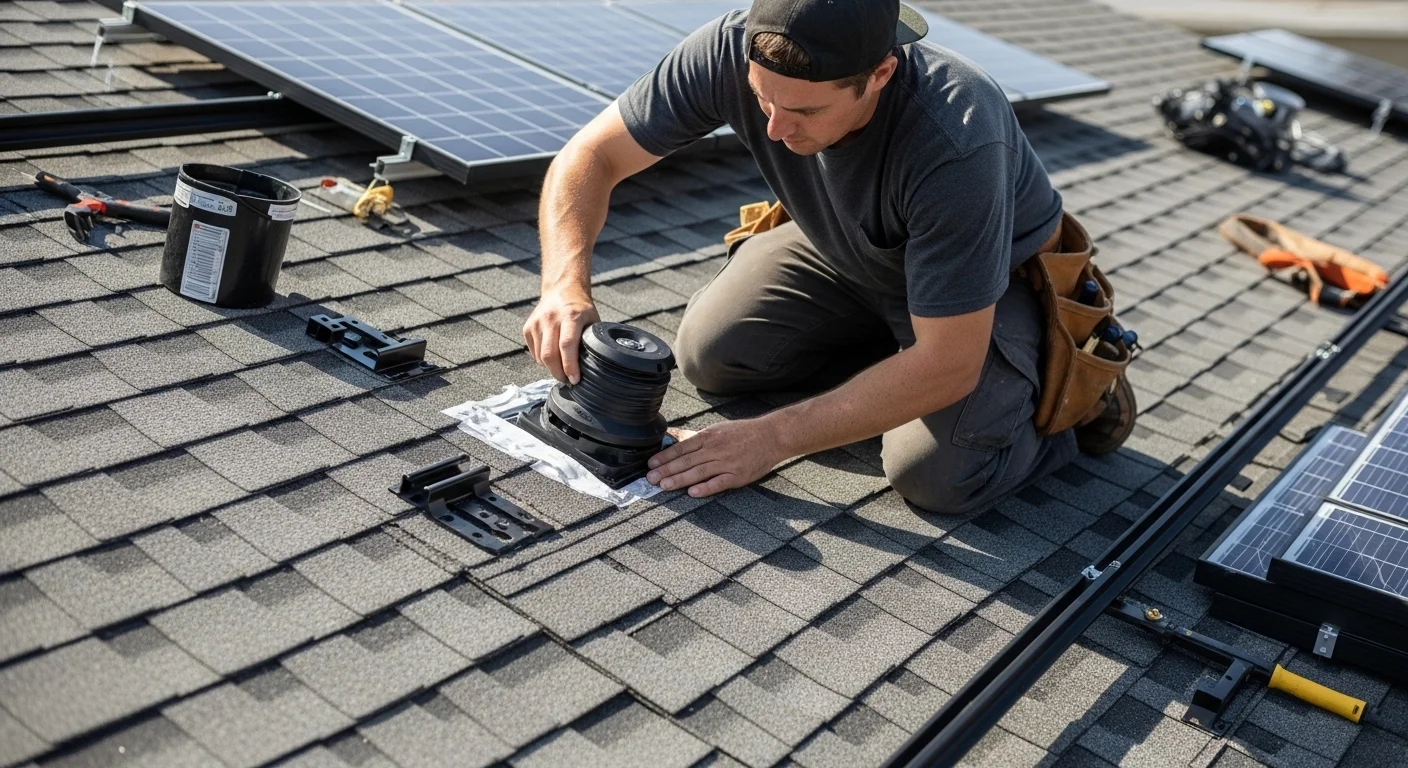
The GAF Edge Why It Matters for Your Roof and Solar Warranty
The “GAF Edge” in the context of solar installations refers to the formal warranty extension that GAF-certified installers can offer homeowners: a combined document that covers both the roofing system and the solar mounting work under a single warranty umbrella. SolarRoofNY’s GAF certification means every solar installation we complete on a GAF-warranted roof maintains that coverage without interruption, even for commercial solar installation projects.
Why SolarRoofNY Provides Additional Workmanship Guarantees for Your Peace of Mind
SolarRoofNY provides a standalone artistry warranty on every residential installation in New York. This warranty covers all roof penetrations and any water infiltration directly attributable to the mounting system. We also provide a re-inspection of all mounting points at the 12-month mark as a standard post-installation service.
Navigating Roof Insurance and Solar Coverage in New York
New York homeowners face a specific insurance landscape that makes documentation more important than in many other states. Steps to protect your insurance coverage include notifying your insurer before installation, adding the system to your policy, and keeping all permits and inspection reports.
Conclusion
A properly executed installation by a GAF-certified, New York-licensed installer using manufacturer-approved mounting hardware preserves every layer of your existing warranty and adds additional artistry coverage on top. SolarRoofNY was built for this environment. Our GAF certification and in-house licensed roofers ensure that going solar protects your home, not puts it at risk.
Protect Your Roof and Go Solar
Schedule a consultation with our GAF-certified solar experts today.