Metal panels are widely known for being among the most durable roofing options. But one element of the Metal Roofing System that homeowners commonly overlook is ventilation. The question of whether a metal roof needs to be vented is not an academic inquiry; it has real-world implications for comfort and compliance with building codes. If you’re currently deciding between materials, understanding how to choose the best roofing material includes evaluating how well each option breathes.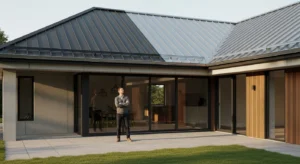
The short answer is yes: in most installations, a metal roof does need proper venting. This guide explains why ventilation is critical and how it protects your investment.
Why Ventilation Matters for Metal Roofing Systems
Ventilation serves two primary purposes: managing heat and managing moisture. Metal roofs absorb solar energy efficiently. Without adequate ventilation, attic temperatures can reach 150 degrees Fahrenheit, increasing cooling loads and accelerating the degradation of materials. A professional roof inspection service can often identify if your current system is trapping excessive heat or moisture.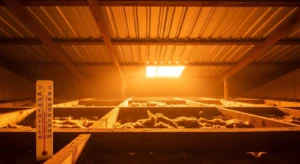
How Metal Roof Ventilation Works
The process follows a natural convective cycle:
- Cool Air Enters: Air enters through soffit vents at the eaves.
- Air Moves Upward: Driven by convection, warm air rises through the attic.
- Warm Air Exits: Heat and moisture escape through the ridge vent at the peak.
For this to work, you need a balanced system. If you have exhaust vents but insufficient intake, the system creates negative pressure. This is a common issue that homeowners face when they haven’t consulted a professional installation service to verify the net free ventilation area.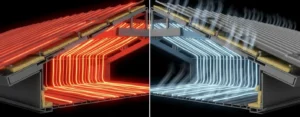
Above-Sheathing Ventilation (ASV)
ASV is a ventilation approach specific to metal roofing. It creates an airflow channel between the roof deck and the metal panels using battens. This is especially useful if you are building a green home, as it significantly reduces heat transfer before it even reaches the attic.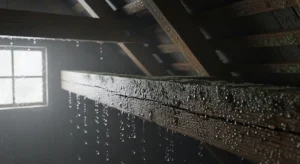
Metal Roofs and Solar Integration
Many homeowners ask can you put solar panels on a metal roof without affecting ventilation. The answer is yes. In fact, standing seam roofs allow for non-penetrating solar clamps that maintain the integrity of the ventilation gap. However, care must be taken during installation so that racking doesn’t block critical airflow paths.
Common Ventilation Issues
- Blocked Soffit Vents: Insulation often migrates and covers intake openings.
- Insufficient Intake: Adding more exhaust vents without more intake doesn’t help.
- Improper Seals: Vent pipes must be flashed correctly to prevent leaks. If you ever need to perform maintenance such as removing solar panels, ensure these seals remain intact.
Ensure Your Roof Can Breathe
Contact Solaroof NY for a comprehensive ventilation audit and professional installation.
Conclusion
Does a metal roof need to be vented? In almost every case, yes. Proper ventilation protects the structure from rot, improves energy efficiency, and prevents ice dams. If your roof is struggling with moisture, you might wonder if a roof can be repaired instead of replaced; often, fixing the ventilation is the first step toward saving the roof.