Metal roofing has earned its reputation as one of the most durable, long-lasting, and low-maintenance roofing options available. A properly installed metal roof can last 40 to 70 years, withstand extreme weather, resist fire, and deliver significant energy savings through its reflective properties. For homeowners and commercial building owners making a long-term investment in their roofing system, those credentials are compelling.
But one question comes up consistently in the metal roofing conversation, and it deserves a thorough and honest answer: Do metal roofs fade?
The answer is yes, all metal roofs fade to some degree over time. The follow-up questions are what matter most: how much they fade, how quickly, what determines the rate and severity, which colours and coatings hold up best, and what can be done when fading has already occurred? This guide covers it all, from the chemistry behind fading to practical decisions about restoration.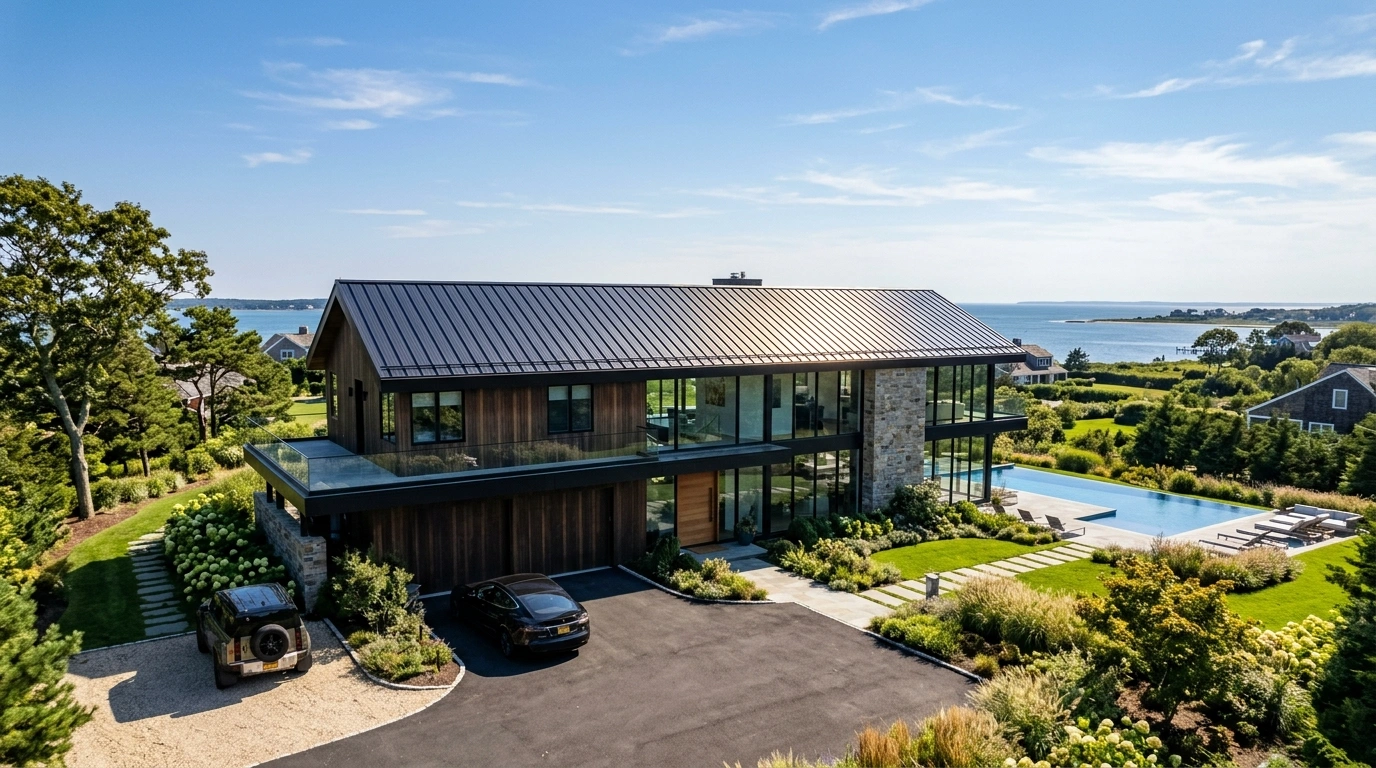
Understanding Why Metal Roof Colours Fade Over Time
Metal roofs do not fade because the metal itself changes colour. The metal substrate—whether steel, aluminium, copper, or zinc is protected by a paint or coating system applied at the factory or on-site. It is this coating system that fades, and understanding why coatings fade explains why some metal roofs hold their colour for decades while others look washed out within a few years.
Key Insight: The Science of Photodegradation
The primary driver of fading is ultraviolet (UV) radiation. UV radiation from sunlight is highly energetic and interacts directly with the chemical bonds in paint binders and pigment molecules. Over time, this bombardment breaks down the molecular structure of the binder, leading to a loss of colour depth, saturation, and uniformity.
Common Signs of a Faded or Chalky Metal Roof
Recognizing the early signs of coating degradation can save significant restoration costs later. Watch for these indicators:
- Visual Washout: A roof that originally had a rich, deep colour appears lighter or uneven. This is most apparent on south-facing slopes.
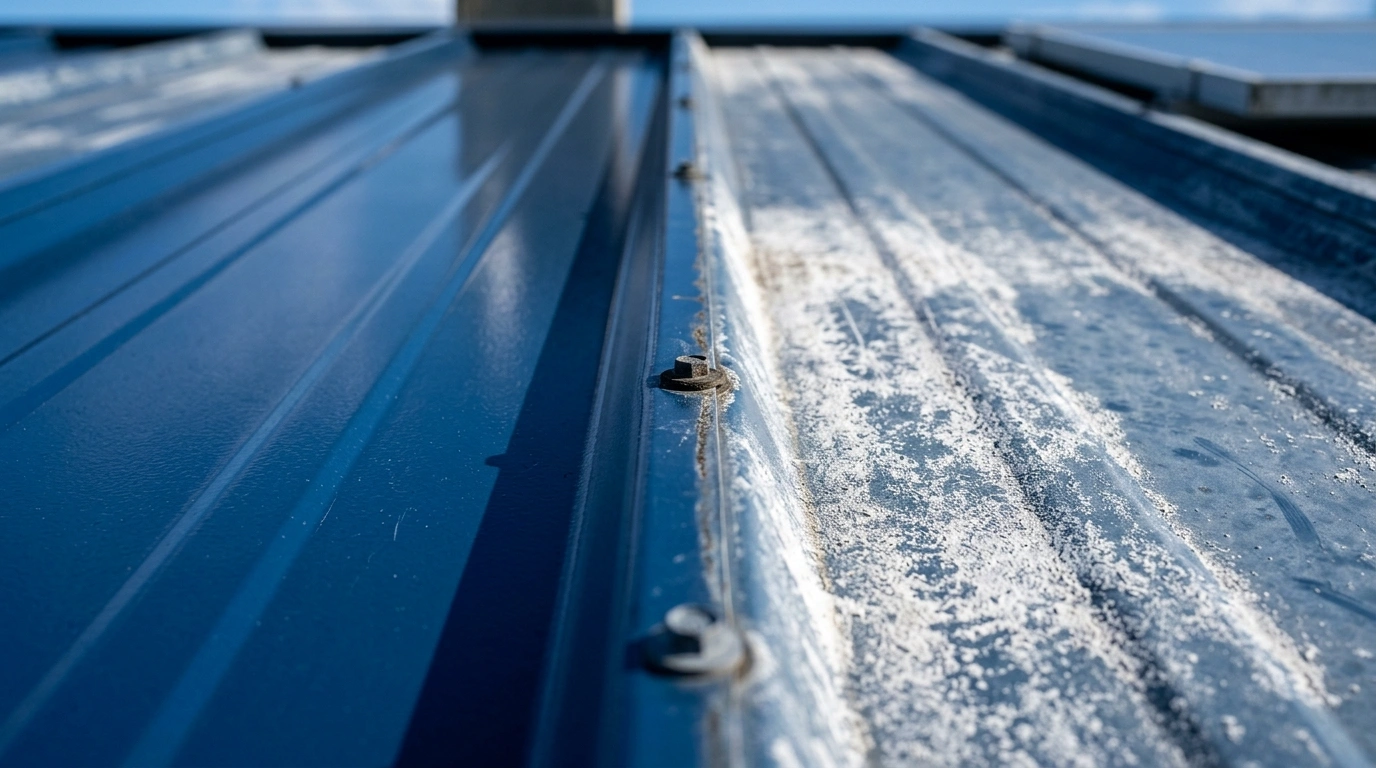
- Chalking: A white or powdery residue that transfers to a gloved hand. This confirms the paint binder has broken down.
- Gloss Loss: Factory-applied coatings lose their characteristic sheen before the colour actually shifts.
- Surface Cracking: Fine networks of cracks (checking) visible on close inspection, indicating advanced degradation.
Comparing Coating Durability: PVDF vs SMP
The performance gap between these two coating systems is significant and determines the long-term aesthetic value of your property.
| Coating Type | Durability & Performance | Typical Warranty |
|---|---|---|
| PVDF (Kynar 500) | 70% fluoropolymer resin; exceptional UV resistance and gloss retention. | 30 – 40 Years |
| SMP (Silicone-Modified) | Modified polyester; good performance but susceptible to UV breakdown. | 10 – 20 Years |
| Standard Polyester | Basic entry-level protection; prone to rapid fading and chalking. | 3 – 7 Years |
Does Colour Choice Affect Fading?
Yes. Lighter colours fade less visibly because they reflect more solar radiation, keeping surface temperatures lower and slowing chemical breakdown. Black metal roofs, conversely, absorb the maximum UV dose and can reach surface temperatures of 180°F, accelerating coating failure.
For maximum longevity, whites, light greys, and silver tones are the most fade-resistant. Galvalume’s natural finish is also highly durable, as its appearance comes from the metal substrate rather than pigments.
Factors That Affect How Quickly a Metal Roof Fades
- Geographic Location: High-UV zones (like coastal NY or southern regions) accelerate degradation.
- Roof Pitch: Steep south-facing slopes receive more direct sunlight and fade faster than north-facing ones.
- Coastal Proximity: Salt air is chemically aggressive toward paint coatings and requires frequent cleaning.
Can You Paint or Restore a Faded Metal Roof?
Yes, faded roofs can be successfully restored through recoating (applying a new layer over sound paint) or repainting (full surface prep including stripping and priming). The critical factor is surface preparation; the roof must be etched and cleaned to ensure the new coating bonds properly.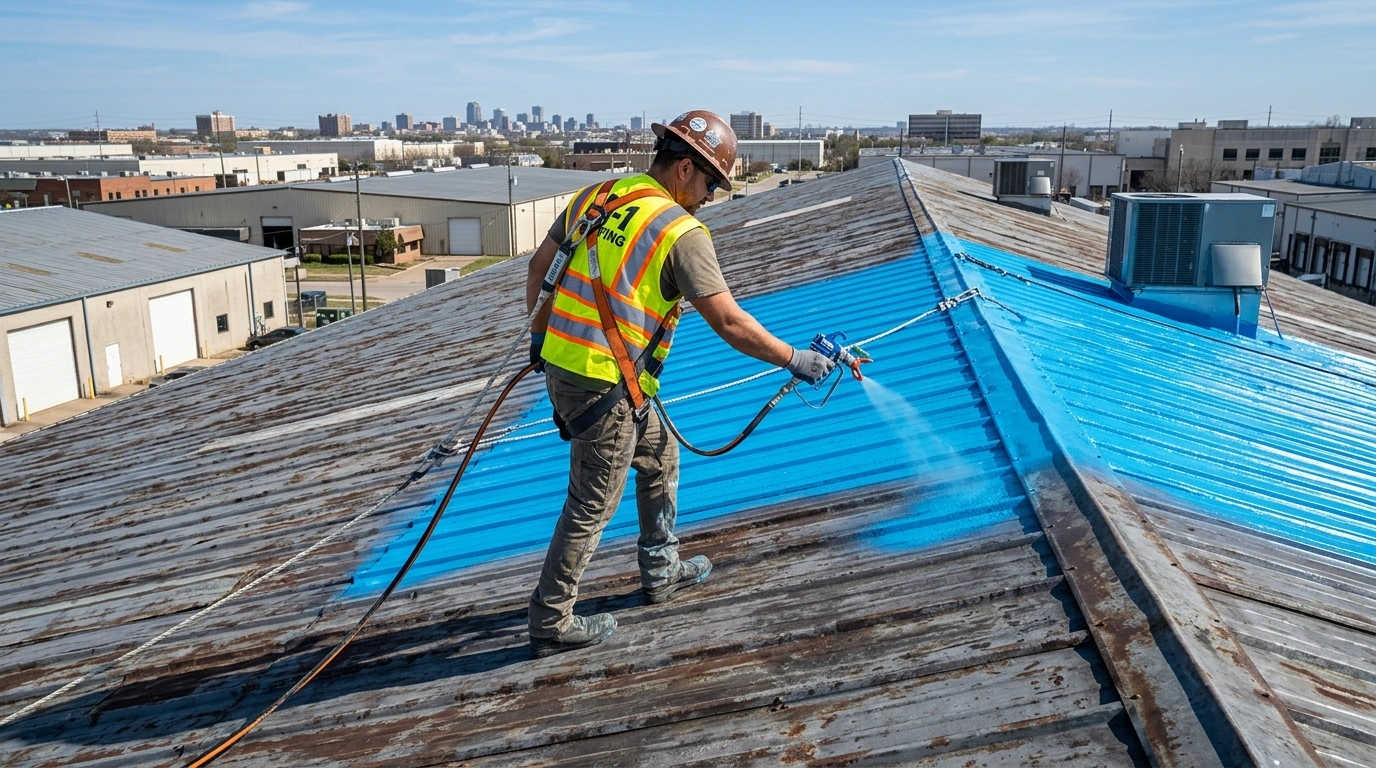
Don’t Leave Your Roof Restoration to Chance
Metal roof refinishing requires specialized prep that standard roofers often miss. Get a professional assessment today.
Conclusion
Metal roofs are built to last, but their appearance requires the right choices in coating and color. By opting for PVDF (Kynar 500) systems and performing regular maintenance like annual rinsing, you can ensure your roof retains its curb appeal for decades. If your roof is already showing signs of chalking or washout, professional restoration is a cost-effective alternative to full replacement.