Choosing a roof color is often seen as a purely aesthetic decision, but it plays a massive role in your home’s thermal performance. In regions like Brooklyn, Queens, and Long Island, homeowners frequently ask if a black or dark grey roof will turn their house into an oven during the summer. While it is true that dark colors absorb more heat, modern advancements in material science mean that a dark roof does not automatically equal an inefficient home. This guide explores how you can balance the elegant look of dark shingles with high energy efficiency.
Understanding Solar Reflectance and Albedo
The relationship between color and temperature is defined by solar reflectance, often called albedo. Light colored roofs have high reflectance, meaning they bounce a large portion of the sun’s rays back into the atmosphere. Dark roofs have low reflectance and absorb much of that energy as heat. However, the Department of Energy notes that even dark materials can be engineered to be “cool” by using specialized pigments that reflect infrared radiation while maintaining a dark appearance.
How Dark Roof Colors Affect Indoor Temperature
During peak daylight hours, a standard dark roof can reach temperatures much higher than the ambient air. If your roofing system lacks proper thermal barriers, this heat conducts through the shingles and into the attic. Without intervention, this increases the load on your air conditioning system, potentially raising energy bills. This is why a professional roof inspection service is vital to check if your current setup is effectively managing heat transfer or if it is contributing to indoor discomfort.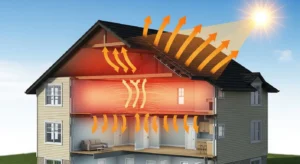
Potential Energy Savings During New York Winters
While dark roofs absorb more heat in the summer, they offer a slight advantage during New York’s freezing winters. The dark surface helps melt snow faster and can provide a small amount of passive solar heating. This can marginally reduce heating loads during the colder months. When choosing the best roofing material for Brooklyn homes, it is important to weigh these winter benefits against the potential for higher cooling costs in July and August.
The Role of Proper Attic Insulation and Ventilation
The most important takeaway for any homeowner is that roof color is only one part of the equation. A dark roof will not make your house hotter if you have superior attic insulation and a high performance ventilation system. Proper airflow allows trapped hot air to escape before it can seep into your living spaces. Before deciding if a roof can be repaired instead of replaced, ensure your ventilation baffles and ridge vents are clear and functioning correctly.
Innovative Cool Roof Technologies for Darker Palettes
Modern manufacturing has bridged the gap between style and performance. You can now purchase dark shingles or metal roofing coated with reflective granules. These “cool roof” technologies allow you to achieve a modern architectural look without the heat penalty. If you are considering solar, remember that the solar panels on a metal roof actually act as a secondary shade layer, further reducing the amount of direct sunlight hitting your roof surface and lowering indoor temperatures.
Maintaining Energy Efficiency Through Regular Roof Care
Debris and dirt accumulation can change the thermal properties of your roof. For example, a light roof covered in dark organic growth or soot will begin to absorb more heat. Regular cleaning and professional maintenance from a licensed installation service ensures that your roof remains as reflective as the day it was installed. Keeping the surface clean helps maintain the designed thermal emittance of your specific roofing material.
Conclusion
The truth is that while dark roofs naturally absorb more heat, they do not have to make your house hotter. By integrating high quality insulation, advanced ventilation, and reflective coating technologies, you can enjoy the dramatic aesthetic of a dark roof while maintaining a cool and energy efficient home. Whether you are building a new property or upgrading an existing one, understanding the science of color and heat will help you make a choice that lasts for decades.
Optimize Your Home’s Energy Efficiency Today
Get an expert consultation on the best roof colors and materials for your specific climate.