Switching to renewable energy is a thrilling prospect, but before the first panel is mounted, one critical question remains: Is your roof actually strong enough to support solar panels?
While the financial and environmental benefits are clear, the success of your installation relies entirely on the structural integrity of your roof. A solar array is a 25-year commitment, and your roof serves as the literal foundation for that investment. This guide provides a complete, technical rundown of what makes a roof “solar-ready” in the New York climate.
Why Roof Suitability Matters
Solar panels are long-term assets designed to last three decades. Installing them on a roof that is old, structurally weak, or compromised by moisture can lead to expensive complications. If the underlying structure fails, you face the “de-install and re-install” dilemma, which involves paying a crew to remove the entire system just to fix a leak, then paying again to put it back. A truly “solar-ready” roof maximizes your solar installation ROI by ensuring the panels and the roof age together at the same rate.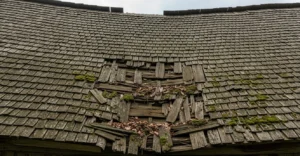
Roof Age and Health: The “10-Year Rule”
Most asphalt shingle roofs in New York have a functional lifespan of 20 to 25 years. We follow a strict assessment protocol: if your roof has less than 10 years of life remaining, a roof replacement is the most financially sound move before mounting panels. During our pre-solar inspection, we look for “red flag” symptoms such as granule loss, curling shingle edges, and brittle underlayment. Bundling your roof work with solar often simplifies the permitting process and ensures that the mounting brackets are integrated into the new roofing material with a seamless, watertight seal.
Structural Load-Bearing Capacity & Sistering
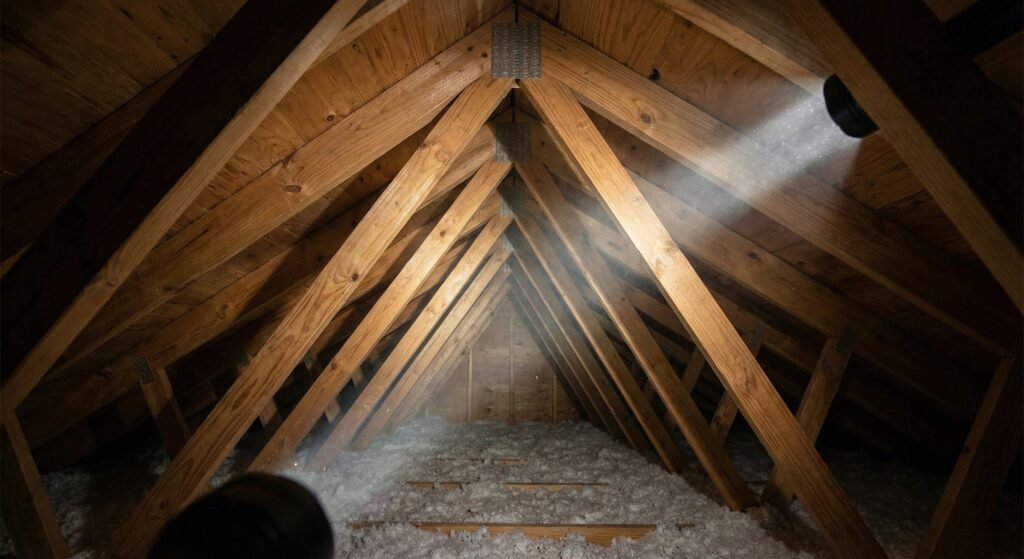
Can your rafters handle the “Dead Load”? A standard residential solar panel weighs between 40 and 50 pounds. When you add the weight of the aluminum racking system and the electrical hardware, you are adding 2.5 to 3 pounds of permanent weight for every square foot of the array. In our Solar Long Island climate, we also have to account for the “Live Load”—specifically heavy snow accumulation. If your home was built before 1970, we may recommend “sistering” the rafters. This involves reinforcing existing wood with new lumber to ensure your home meets modern International Building Code safety standards without needing a full structural overhaul.
Roof Material Compatibility & Mounting Technology
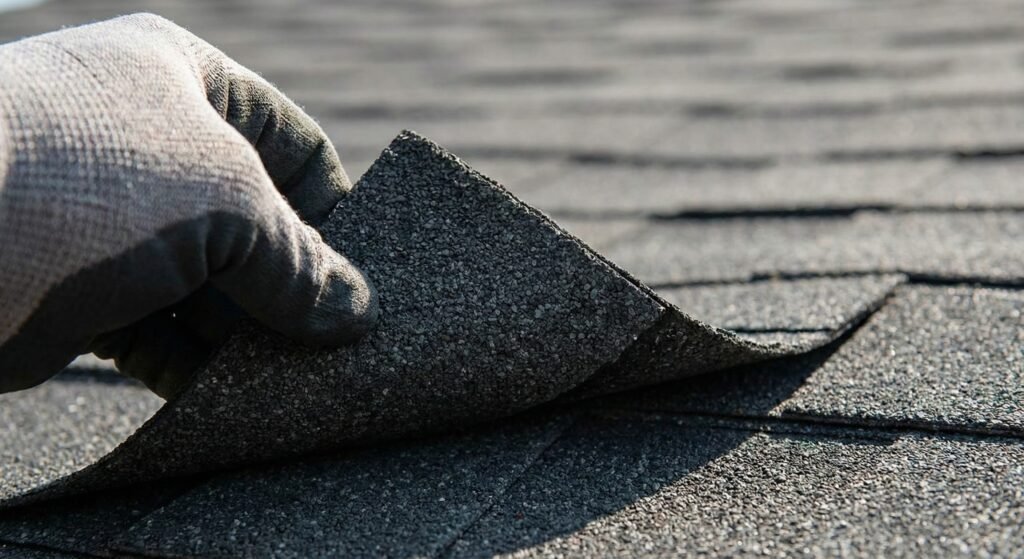
The material of your roof dictates the mounting technology we use. For asphalt shingles, we use high-grade metal flashing that slides underneath the shingles to direct water away from the penetration point. For standing seam metal roofs, we utilize specialized clamps that grip the seams without ever drilling a hole, maintaining the roof’s original warranty. Whether it is a residential home or a larger commercial solar application, the material must be robust enough to handle the localized heat that can build up between the roof deck and the panels. Fragile materials like old slate or clay tile often require a specialized “roof-to-deck” mounting system to prevent breakage during installation.
| Roof Material | Solar Compatibility Details |
|---|---|
| Asphalt Shingles | Highly Compatible. Requires mechanical flashing and sealant to prevent leaks. |
| Standing Seam Metal | The Premium Choice. Non-penetrative clamps preserve the roof’s structural integrity. |
| Flat/EPDM Roofs | Efficient. Uses ballasted racking systems that rely on weight blocks rather than roof penetrations. |
Slope, Orientation, and Azimuth Analysis
To generate maximum power, your panels need the correct angle and direction. In New York, South-facing roofs are the gold standard because they receive the most direct sunlight throughout the day. However, East and West-facing roofs are still highly productive and can often provide better energy coverage during morning and evening peak usage times. The ideal pitch for a Professional Solar Panel Inspection is between 30 and 40 degrees. This angle allows for natural “self-cleaning” where rain and melting snow can easily slide off the panels, keeping the surface clear for maximum sunlight absorption.
The Shield Effect: How Solar Protects Your Roof
One of the most overlooked benefits of solar is the protection it offers your roof deck. Panels act as a physical shield against UV radiation, which is the primary cause of asphalt shingle degradation over time. By absorbing the sun’s energy, the panels also help keep your attic cooler during the summer months. Furthermore, they provide a barrier against hail and direct wind-driven rain. When installed with high-quality flashing and industrial-grade sealants, the portion of your roof covered by solar panels will likely outlast the exposed sections of your roof.
Ready to find out if your roof makes the cut?
Call us today for a free assessment in Nassau, Suffolk, Queens, or Brooklyn.