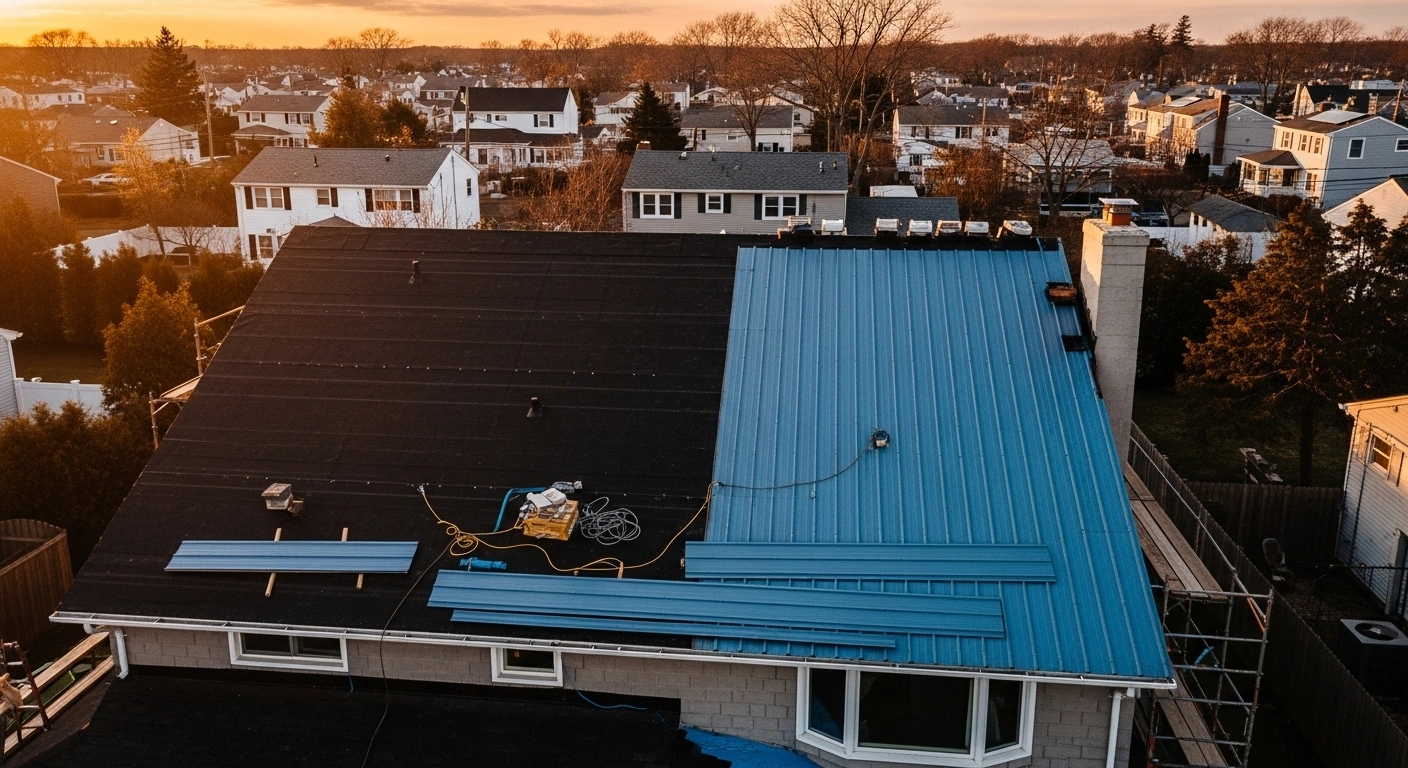
Most homeowners assume that when it’s time to install a new roof, the process requires tearing every last shingle down to the bare deck before anything goes on. It’s a fair assumption, and for many roofing materials, it is accurate. But metal roofing offers a truly different option: in many cases, a metal roof can be installed right over existing asphalt shingles, eliminating the tear-off altogether.
This method, known as a re-roof or overlay installation, is one of the more frequently asked questions for roofing contractors. It almost seems too easy, and that instinct is half right. Installing metal over shingles is legitimate, code-compliant in many jurisdictions and can provide real cost savings. It also includes conditions, limitations, and long-term considerations that determine whether it’s a fit for a given home.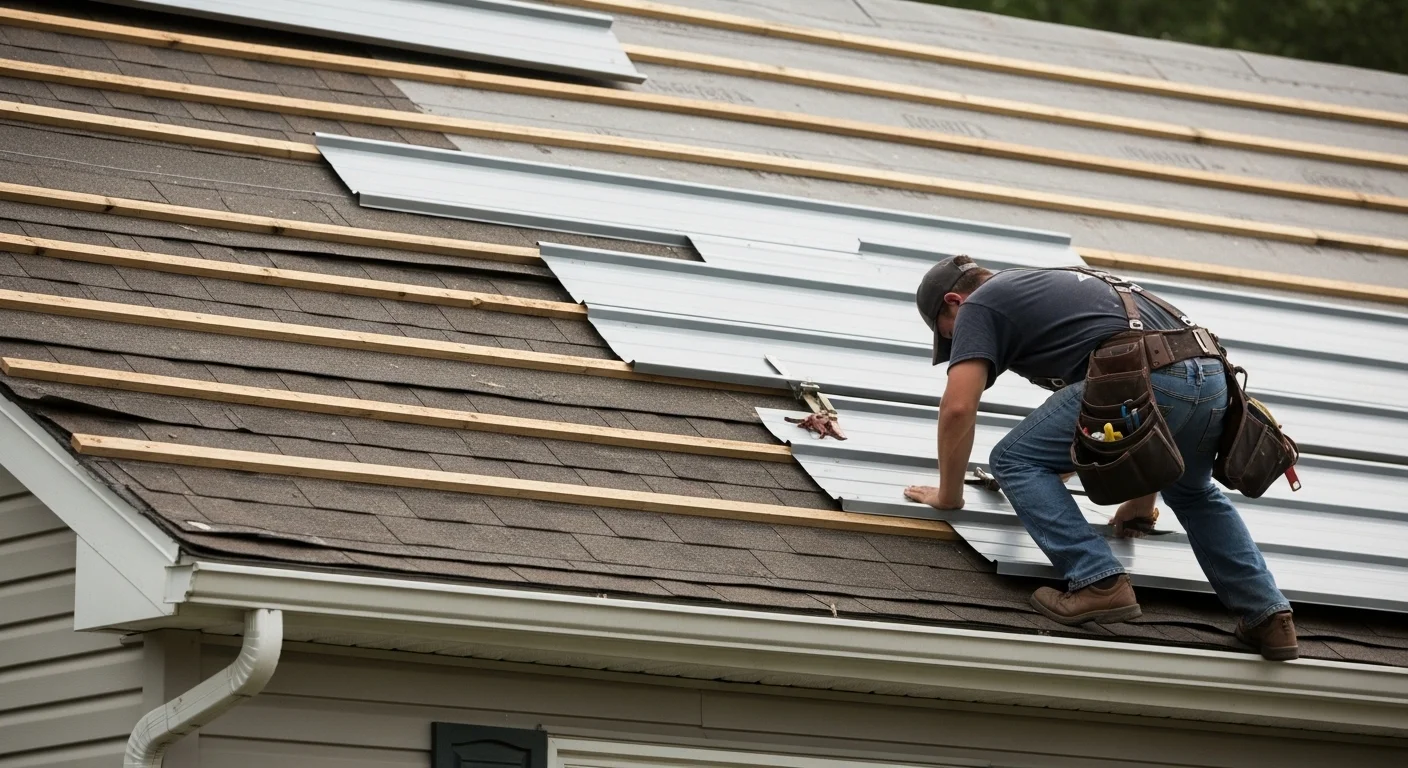
The Feasibility of Over-Shingle Installation
Yes, in most situations, you can install a metal roof directly over one layer of asphalt shingles. This is a common practice in the roofing industry and is done on residences and light commercial properties alike. It is allowed by building codes in essentially most of the United States and many other countries as well.
The basic reason this is effective is the weight discrepancy between materials. Asphalt shingles are fairly heavy: A standard three-tab shingle roof weighs about 230 to 250 pounds per square (100 square feet). Metal roofing panels, on the other hand, generally weigh 50 to 150 pounds per square based on the profile and gauge. Installing a metal roof over existing shingles weighs far less than adding another layer of asphalt shingles would, and the total weight of shingle-to-old plus metal stays well within the load-bearing capacities of roofs built to modern-day residential building codes.
Key Insight: Professional Verification
You cannot do an over-shingle installation without having a professional roof inspection beforehand. The decision to install over existing shingles should be based on a verified assessment of the roof’s condition, not on assumption.
Conditions for Over-Shingle Installation
Understanding the conditions under which an over-shingle installation is appropriate helps homeowners make informed decisions rather than simply accepting or rejecting the approach based on cost alone.
When it makes sense:
The existing shingles are structurally sound, with no widespread rot, no water damage to the underlying deck, and no significant lifting, buckling, or missing sections. The shingles are old and at or near the end of their cosmetic life, but have not allowed water penetration into the deck structure below. The roof has only one existing layer of shingles. The roof structure has been confirmed as capable of supporting the additional load. Local building codes permit the installation. The homeowner’s primary goals are cost efficiency and minimising disruption.
When it doesn’t make sense:
The existing shingles show evidence of moisture damage, rot, or decking delamination below. There are areas of the roof where shingles have been lifting or where water has penetrated the deck. The roof already has two or more layers of existing shingles. There are known structural issues with the roof framing. The homeowner wants to inspect the deck thoroughly before committing to a new roof system. The specific metal roofing product selected requires direct deck attachment for warranty compliance.
The Role of Underlayment and Furring Strips
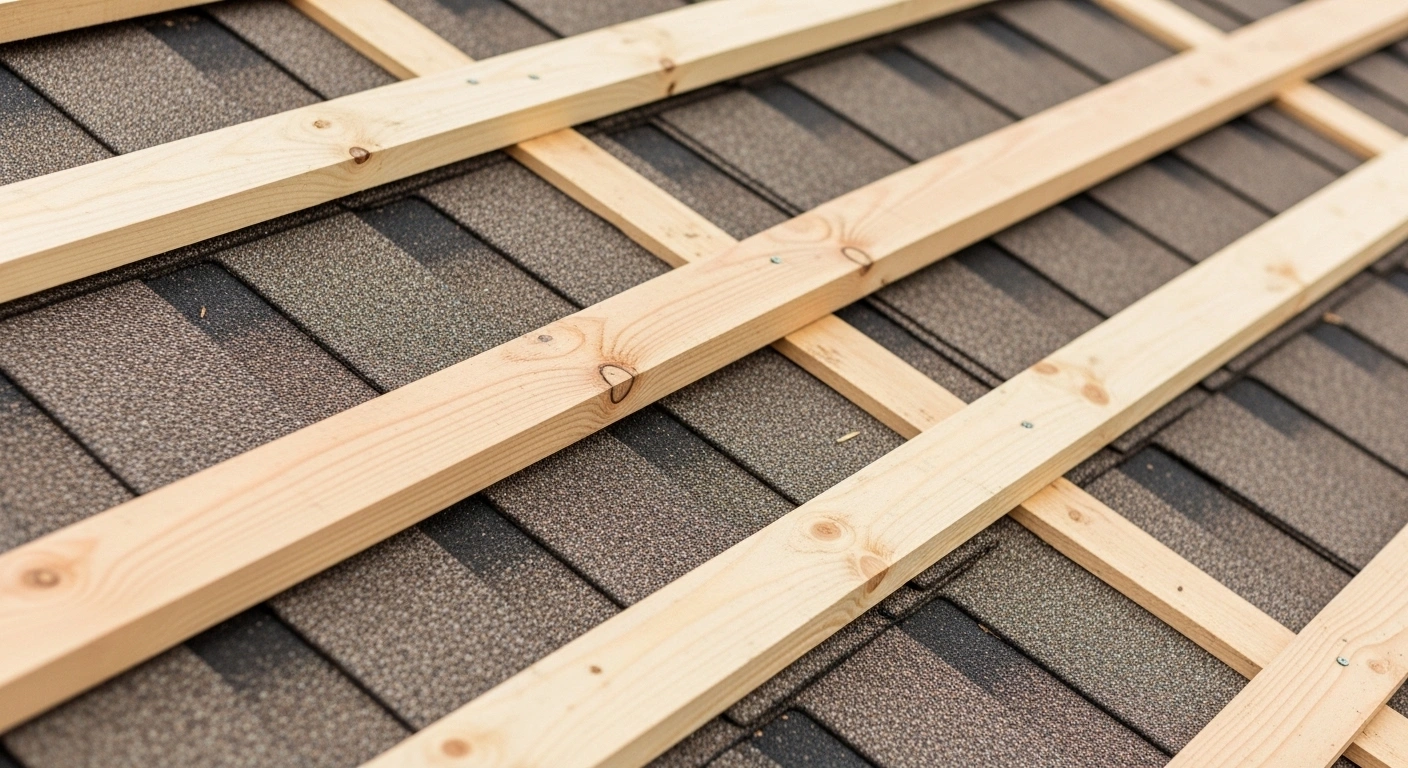
Two installation components deserve special attention when installing metal over shingles: the underlayment and furring strips. These are not optional extras—they are structural and functional necessities for a correctly performed over-shingle metal installation.
| Component | Purpose | Benefit |
|---|---|---|
| Underlayment | Acts as a barrier between old asphalt and new metal. | Prevents chemical corrosion and “oil canning.” |
| Furring Strips | 1×3 or 1×4 timber battens installed horizontally. | Creates a level surface and critical ventilation gap. |
| Ventilation Gap | Space created by furring strips. | Reduces heat transfer and prevents condensation rot. |
Will Installing Metal Over Shingles Affect Warranty?
This is one of the most important questions to clarify before proceeding, and the answer varies by manufacturer, product type, and installation specifics. Metal roofing manufacturer warranties typically cover material defects and finish performance for 30 to 50 years. Many manufacturers explicitly permit and even provide installation guidelines for over-shingle applications. In these cases, the warranty remains fully valid provided the installation follows specified requirements for underlayment, furring strips, fasteners, and ventilation.
Some premium metal roofing products—particularly certain architectural standing seam systems—require direct deck attachment and do not permit over-shingle installation under their warranty terms. Artistry warranties from the installing contractor should cover the installation itself for 5 to 10 years. Confirm that the contractor’s workmanship warranty explicitly covers the over-shingle installation and includes the underlayment and furring strip components. Most homeowners’ insurance policies cover roof damage from covered perils regardless of installation method, but confirmation is always recommended.
Cost Savings and Long-Term Value
The cost comparison between over-shingle and tear-off installation is significant. Tear-off costs—removing and disposing of existing shingles—typically add $1,000 to $3,000 or more to a project. This can account for 10 to 20 per cent of the total project cost. Eliminating the tear-off removes this cost entirely. While the materials for an over-shingle installation, primarily the underlayment and furring strips, add back a portion of the expense, the net savings remain substantial.
The long-term value picture is equally compelling. A metal roof installed over sound shingles will have a lifespan of 40 to 70 years, the same as a metal roof installed after a tear-off. The long-term energy savings, low maintenance costs, and durability benefits of metal roofing are not diminished by the over-shingle installation method when the installation is done correctly.
Building Code and Fire Rating Considerations
Most jurisdictions in the United States follow the International Residential Code (IRC), which permits a maximum of two roof coverings on a residential structure. This means one existing layer of shingles plus the new metal roof is permitted, but two existing shingle layers plus metal would exceed the maximum and require tear-off first. Metal roofing is a Class A fire-rated material, and since asphalt shingles are also typically Class A rated, the combination maintains the highest fire resistance available in most code-compliant installations.
Schedule a Professional Roof Inspection
Determine if your home is a candidate for an over-shingle metal installation. Get a verified assessment today!
Conclusion
Installing a metal roof over shingles is a sound, cost-effective, code-compliant method when done under the proper conditions. These conditions are precise: a single layer of structurally sound shingles, an intact deck, and local code compliance. When these are met and the installation incorporates proper underlayment and furring strips, the overlay will perform as reliably as a standard equivalent metal roof. Conversely, if moisture damage or deck rot is present, a tear-off is not optional; it is the only responsible way to proceed.