Deciding to go solar is a major financial milestone for any New York homeowner. While the benefits of clean energy are clear, timing your installation is a strategic variable that affects more than just savings. The environmental impact of when you install can be just as significant as how much you save. In 2026, navigating the regulatory environment of Nassau and Suffolk counties requires a well-planned approach. This guide explains why the “off-season” might actually be your best window for maximum ROI.
The Efficiency of Solar Panels in Cold New York Winters
A common misconception is that solar panels only work well in the summer heat. In reality, photovoltaic cells are often more efficient in cooler temperatures because heat increases electrical resistance. A clear winter day in Copiague or Massapequa can produce significant energy. While daylight hours are shorter, the panels themselves perform perfectly in the cold. According to PSEG Long Island, the key to success is getting your system interconnected before the high-demand summer months begin.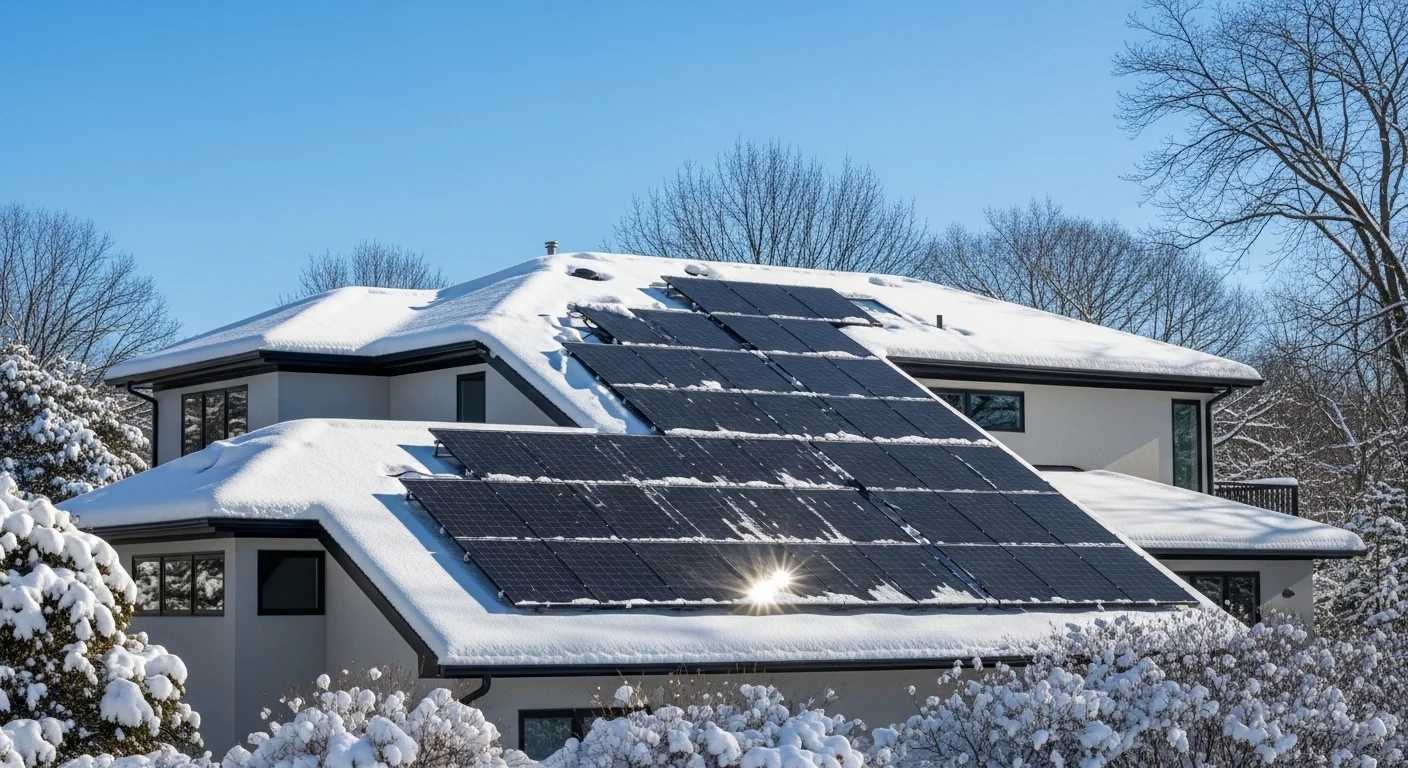
Financial Advantages of the 2026 Solar Tax Credit Updates
2026 mein solar incentives pehle se zyada attractive hain. New York ke homeowners ab 30% Federal Investment Tax Credit (ITC) ke saath saath 25% NY State Tax Credit (up to $5,000) ka benefit bhi le sakte hain. Iska matlab hai ke agar aap off-season mein installation shuru karte hain, toh aap apne tax returns ke liye pehle se tayyar hote hain. In incentives ko NY-Sun rebates ke saath combine karke aap apni upfront cost ko 50% tak kam kar sakte hain. Early planning aapko in limited-budget programs mein apni jagah secure karne mein madad deti hai.
Strategic Advantages of Fall and Winter Installations
Starting your solar journey in October or November is often the smartest move. During these months, installer backlogs are shorter and municipal permit offices are less overwhelmed than they are during the “spring rush.” By initiating the process in late fall, you can have your permits and interconnection approvals finalized by March. This ensures your system is fully operational the moment the spring sun starts peaking, allowing you to bank energy credits before the air conditioning season hits.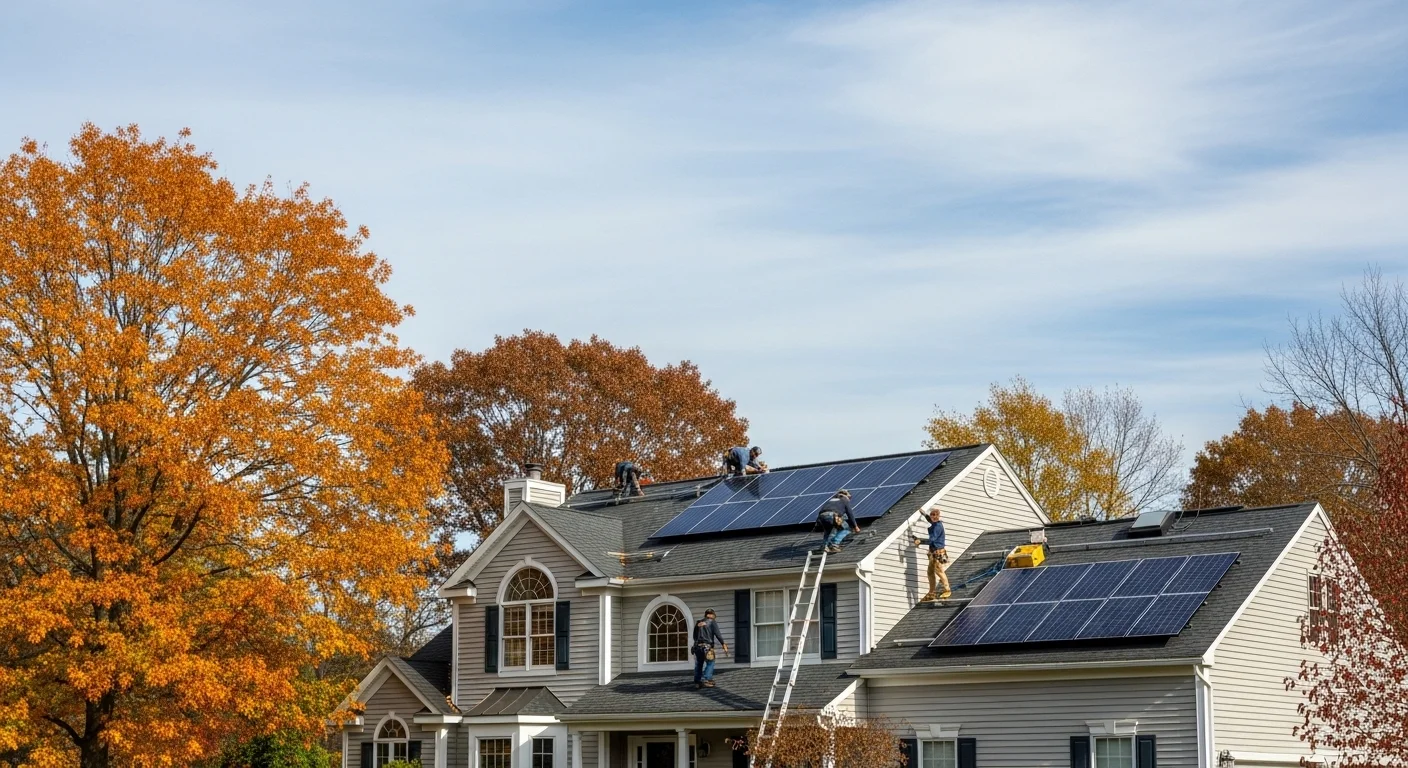
Leveraging Battery Storage for Year Round Energy Independence
Modern solar systems sirf panels tak mehdood nahi hain. 2026 mein battery storage integration Long Island ke homeowners ke liye ek game-changer ban chuki hai. Winter installations ke dauran battery lagane ka faida ye hai ke aap low-generation months mein bhi off-peak utility rates ka faida utha sakte hain. Battery aapke system ko grid outages ke dauran backup deti hai aur summer ke peak hours mein store ki hui energy ko use karke aapke bills ko mazeed kam karti hai. Off-season mein battery setup karne se aapko system ki performance ko peak season se pehle optimize karne ka poora waqt mil jata hai.
Navigating Municipal Permitting and Administrative Timelines
Every town on Long Island has its own building permit process, and timelines can vary drastically between Hempstead, Oyster Bay, and Huntington. Filing applications in January or February often results in faster turnaround times because there is less competition from general construction projects. A professional licensed installation service will handle this paperwork for you, ensuring that technical diagrams and structural calculations are accurate to avoid costly resubmission delays.
Understanding the Utility Interconnection Process
Before you can flip the switch, your utility provider must issue a Permission to Operate (PTO). This interconnection process involves a technical review of your system’s impact on the local grid. During peak spring months, this queue can grow from four weeks to over twelve weeks. By timing your installation to hit the utility’s desk in the off-season, you minimize the “dead time” between when the panels are on your roof and when they are actually saving you money.
The Impact of New York Weather Cycles on Installation
Experienced crews can install solar year-round on Long Island. While active snow or ice might pause work for a day or two for safety, cold temperatures are not a barrier. Fall offers the most predictable weather for solar panels on a metal roof, as the surfaces are not too hot and the threat of severe winter storms hasn’t arrived. Planning around these cycles ensures a smooth physical installation with minimal weather-related rescheduling.
Why Your Roof Condition is the Ultimate Timing Factor
If your roof has fewer than five years of life remaining, the “best time” for solar is immediately after a roof replacement. Removing and reinstalling a solar array to fix a leaky roof underneath can cost thousands of dollars. We recommend a roof inspection service to verify your shingles or metal panels are structurally sound before the solar racks are mounted. This avoids the need for a roof repair vs replacement dilemma mid-way through your solar lifecycle.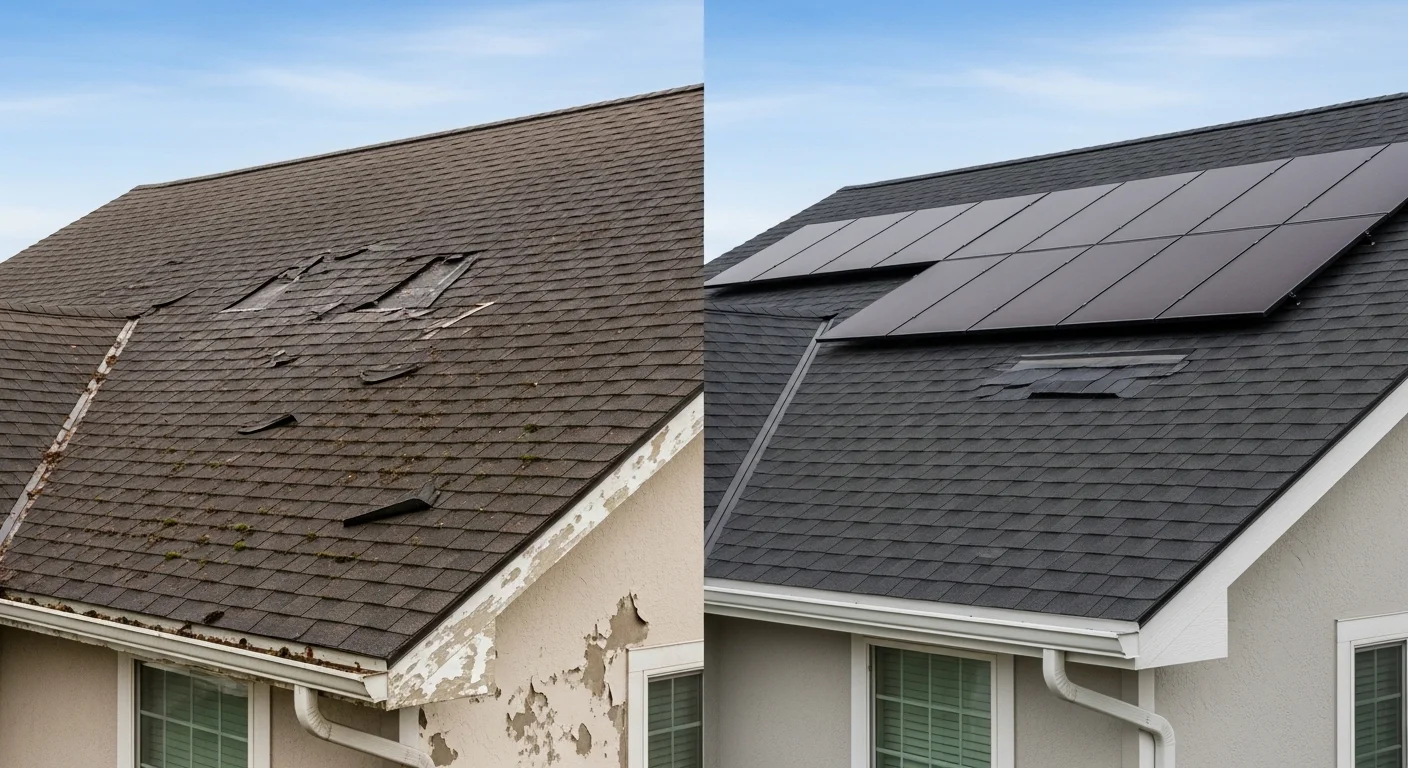
Conclusion
The best time to go solar in New York is whenever your roof is ready and your goals are clear, but the strategic advantage goes to those who start in the fall or winter. By avoiding the spring rush, you secure faster permits, quicker interconnection, and better installer availability. Don’t wait for the heat of July to realize you could have been saving since March. Plan ahead and lock in your energy independence early.
Schedule Your Free Site Assessment
Get a customized installation timeline and find out how much you can save before the peak season begins.