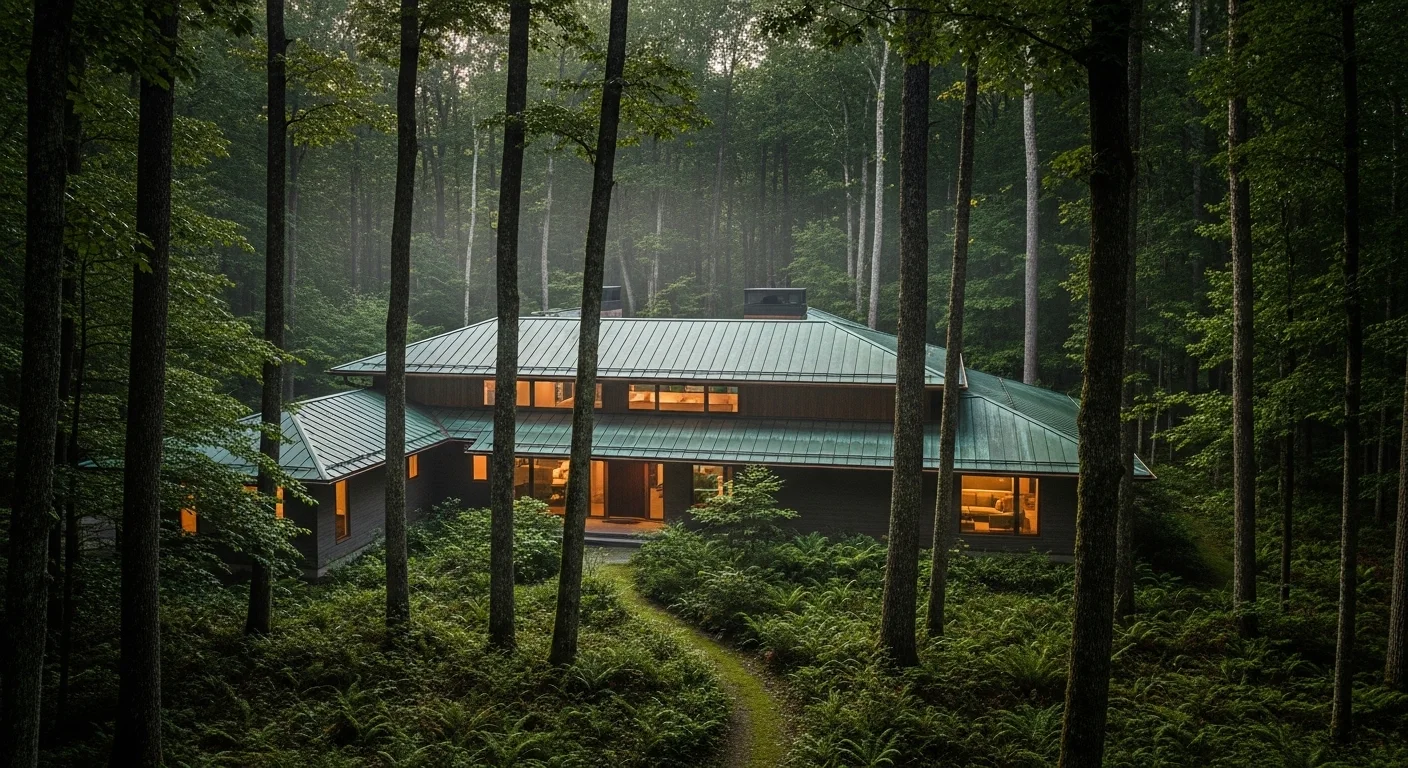
If you’ve been considering a metal roof, you probably have at least one or two questions. One of the most curious inquiries we hear is: “Are metal roofs magnetic?”
It is a fair question. Metal roofs are composed of metal, and we all know that magnets stick to certain metallic surfaces. Does that mean your roof acts like a giant magnet? Will it attract lightning strikes, or ruin your Wi-Fi and phone service? At Solaroof NY, we know that understanding the science helps clarify these concerns.
Basic Properties of Metal Roofing Materials
Not all metal roofs are the same. Different alloys have completely different properties, particularly regarding their magnetic pull. Misconceptions about magnetic properties persist in the industry, even as metal roofing systems become increasingly popular. The most common materials include:
- Steel Roofing: The most common choice. Because steel is made from iron, it is magnetic. Most steel roofing is coated with zinc or a zinc-aluminum blend to prevent rust, but the steel core remains magnetic.
- Aluminum Roofing: A nonferrous metal that does not contain iron. Aluminum is non-magnetic and is a top choice for coastal regions because it does not rust.
- Copper Roofing: A premium, long-lasting material. Like aluminum, copper is a nonferrous metal and is not magnetic.
- Zinc Roofing: Widely used for its protective patina and 100-year lifespan, zinc is also non-ferrous and non-magnetic.
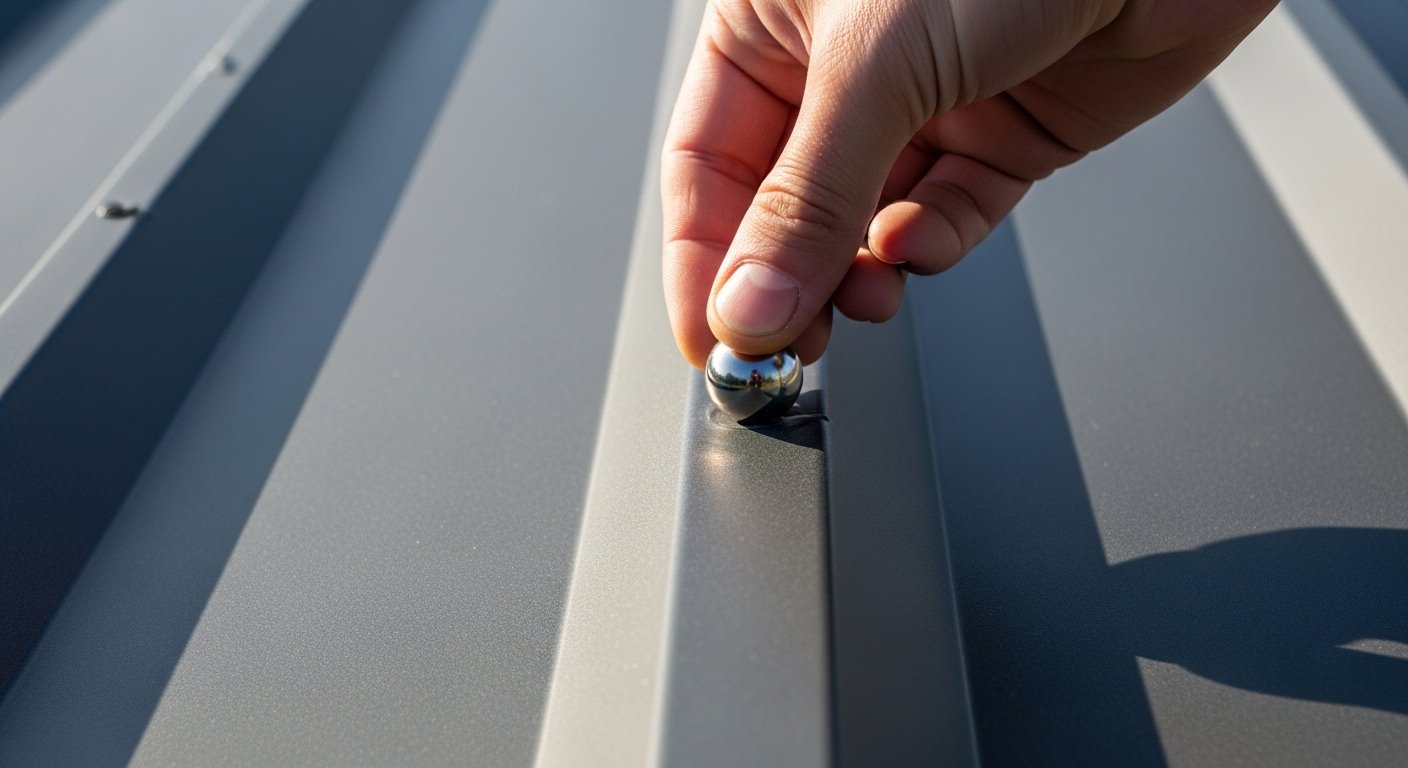
Why the Confusion?
People often assume all metal is the same, but “metal” is a broad category. Confusion also stems from protective coatings; a steel roof might look like aluminum because of a shiny finish, but a magnet will still stick to the iron-rich steel underneath. According to the National Roofing Contractors Association (NRCA), these misconceptions are common despite the growing popularity of the material.
Magnetism and Lightning Safety: Separating Fact from Fiction
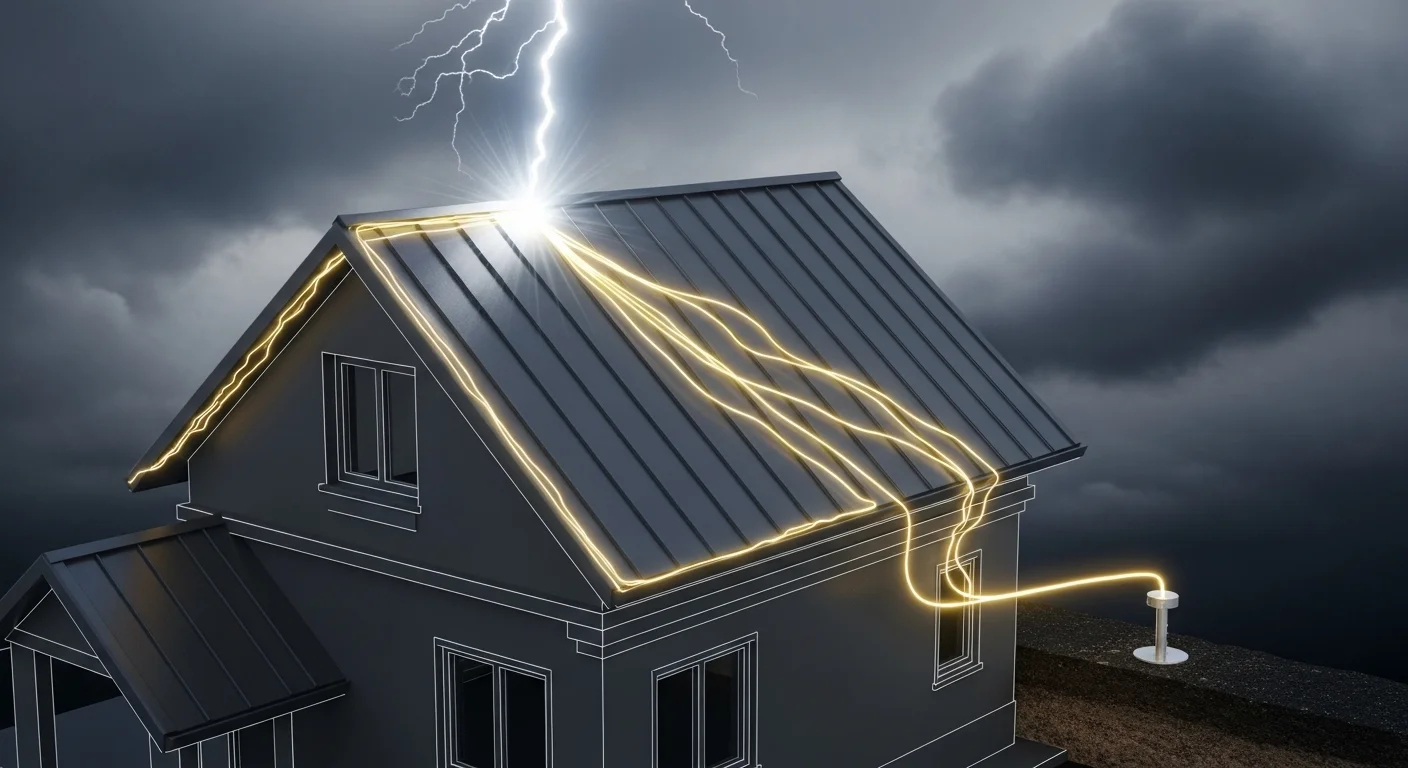
One of the biggest concerns is whether a magnetic roof increases lightning risk. The answer is a definitive no. Lightning is drawn to tall structures and paths of least resistance, not magnetic properties. It is the conductivity of the metal that matters during a strike, not its magnetism.
In fact, metal roofs provide a safety advantage. Because they are non-combustible, they won’t ignite if struck. The roof effectively conducts the electrical charge and discharges it safely into the ground via a proper grounding network. When choosing between different residential roofing services, these myths shouldn’t hold you back.
| Material | Magnetic? | Best Use Case |
|---|---|---|
| Steel | Yes | Affordability & Strength |
| Aluminum | No | Coastal / Saltwater areas |
| Copper | No | Luxury / 100+ year life |
Professional Installation Matters Most
When choosing your roof, focus on quality rather than magnetic properties. Reputable manufacturers provide the right gauge thickness and durable coatings to ensure performance. It is essential to work with experienced contractors who understand local building codes and climate-appropriate materials. Proper grounding during installation ensures that whether your roof is magnetic steel or non-magnetic aluminum, it remains the safest shield for your home.
Expert Metal Roof Installation
Don’t let myths stop you from getting the most durable roof on the market. Contact us for a professional consultation today!
Conclusion
Steel roofs are magnetic; aluminum, copper, and zinc are not. However, this magnetic property has zero negative effect on safety, lightning risk, or electronic performance. Metal roofing remains one of the best investments for a home, outlasting asphalt, resisting fire, and offering superior energy efficiency. Base your choice on price, climate compatibility, and aesthetic taste—because magnetic or not, a metal roof is a smart, secure choice for your smart home.